
March Madness
Even though it’s a four-day work week for us, it feels like a long one as I literally itch with anticipation for the start of our turkey season, which kicks off with an early out-of-state trip. I’m honestly not sure if it’s turkeys I love so much or the return to the pursuit of learning of landscapes and self-worth gained from a hard weekend of hunting. Either way, I can hear a distant gobble already.
It’s also planning season. I update computer tables on big game out-of-state point requirements and draw odds, while our evening discussions frequently turn to mapping out hunts for the next 10 years. If we do that elk hunt in 2028 then we should do that pronghorn hunt in 2029, all of which could be interrupted by a random North Dakota big game tag or, as we all know, life. Nonetheless, these down-the-road adventures are fun to consider, especially during a shoulder season.
While others might be mapping out their college basketball brackets this time of year, I’m figuratively knee-deep in spreadsheets, websites and forums. It’s a little thrilling to try to figure it all out but it’s also cumbersome.
Lately, it’s weighed heavy on me how intense hunting has become. I can see it happening in the numbers and the news headlines. Others have probably read the writing on the wall for years before me. It almost parallels youth sports. The avidity has become so extreme that I fear what’s lost in it all is the casual participant.
States across the West are charging hundreds of dollars for big game draw points because they can. Because people like me just keep paying it. And if they ever go on that hunt, the stakes are now that much higher because of the investment.
Regulations that push back on nonresident pressure have been part of a recent trend across the West to combat some of this madness and try to preserve opportunities for the casual participant. In many cases, this results in a known loss of revenue for conservation funding, thereby reducing capacity to manage state lands, facilities and walk-in access programs.
Is anyone, right, wrong, good, bad, deserving to hunt or not?
I don’t think so.
Can we really blame anyone for their passion for the outdoors? For choosing to live in a place primarily for the outdoor pursuits afforded, while also wanting to do the same elsewhere?
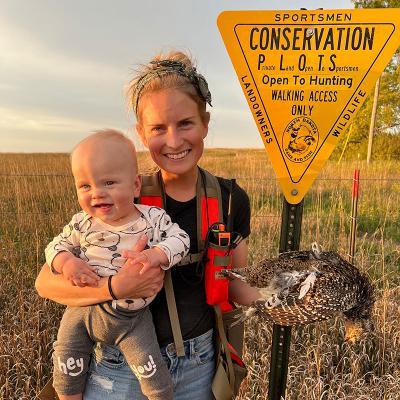
I want to see people enjoy this lifestyle. I want to see family traditions of all kinds continue and, selfishly, I want my son to have the same opportunities I’ve had. Unfortunately, I’m unsure what that will look like.
I don’t have any answers, and I don’t think anyone really does. But I do hope we can build and maintain the ability to set aside these conflicts when the greater issue of wildlife conservation is at stake, no matter which side of the border we’re hunting on.
Author