Recruit, Retain, Reactivate
What is R3
North Dakota is a beautiful and bountiful state for hunters and anglers, and our strong outdoor heritage is not by accident.
Hunting in this country was built upon the principle that wildlife is a public resource owned by all, regulated by law, managed by science, and funded by those – hunters and anglers – who hold the resource dearest.
The Federal Aid in Wildlife Restoration Act of 1937 – known as the Pittman-Robertson Act – placed an 11% excise tax on firearms and ammunition and allocated those funds to wildlife habitat restoration, improvements and research.
Thus, every time you purchase a new firearm or shoot a shotgun shell or rifle cartridge, you’re contributing to conservation. And an increasingly significant amount of that funding is coming from recreational shooters.
The Pittman-Robertson Act was shortly followed by a mirrored effort for fisheries management – the Dingell-Johnson Act.
Around the same time, state wildlife agencies were formed to carry out the tasks of managing our fish and wildlife and were primarily funded through the sale of hunting and fishing licenses, including our very own North Dakota Game and Fish Department founded in 1930.
As of 2025, North Dakota has received over $252 million from the Pittman-Robertson Act alone. These dollars are directed toward state-owned or managed wildlife management areas, habitat restoration projects, public shooting ranges, and our beloved and strong Private Land Open To Sportsmen program. Likewise, Dingell-Johnson dollars have been used to stock millions of walleyes and maintain and expand fishing access.
When a grassland habitat restoration project is complete, it’s not just upland game birds that benefit, so do songbirds, pollinators and the adjacent water and soil to name a few.
Thus, hunters, anglers and shooting sport participants primarily fund wildlife conservation in this country, but many of those activities are experiencing threats such as aging participants, reduced access, competition for tags, fish and wildlife population declines and growing tensions between user types, resulting in a worrisome future for the places and lifestyle we treasure.
The COVID-19 pandemic brought unprecedented participation in outdoor activities in North Dakota, and nationwide, but since then, fishing license sales have dipped seemingly unparallel to the growth in fishing waters, access and opportunity. And while total hunting license sales have remained steady, there’s more demand than supply when it comes to big game license opportunities and hunting access. Coupled with declines in deer, waterfowl and some upland game populations, there’s work to be done in safeguarding what makes North Dakota so special.
That’s why the North Dakota Game and Fish Department is committed to R3 – recruiting, retaining and reactivating the next generation of hunters, anglers, recreational shooters and conservationists to carry on our legacy. In some cases that looks like streamlining hunter education to ease the entry for new recruits, marketing efforts to reactivate hunters or anglers and remind them what they’re missing out on. At the core, it’s the continued effort to improve fish and wildlife habitat, hunting, fishing and shooting access, landowner-sportsmen relationships, and Department outreach to retain the outdoor heritage that is the fabric of North Dakota.
Stories from the Outdoors
Get Outdoors
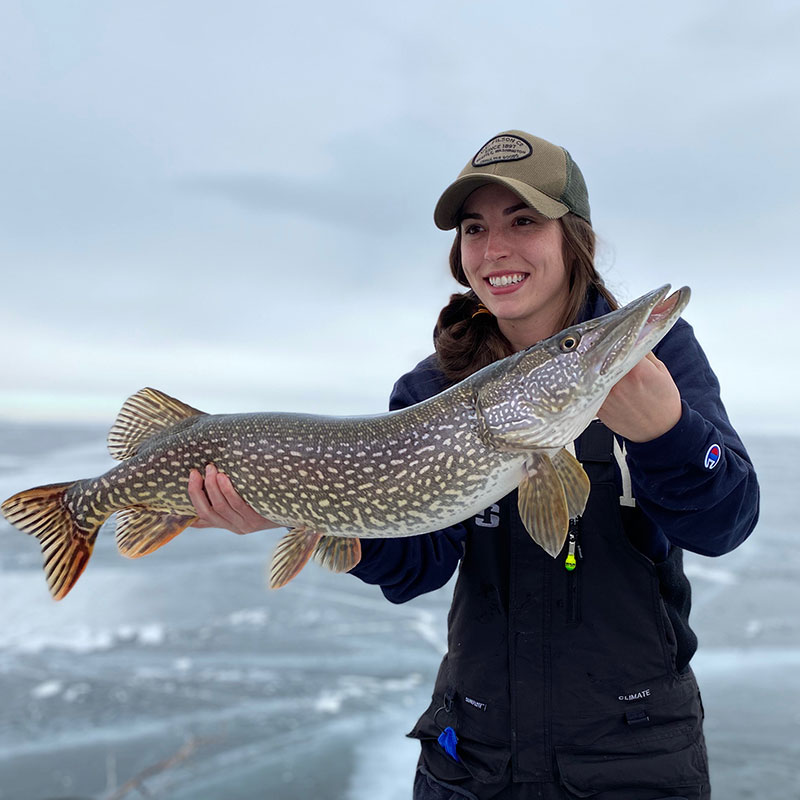
New to Fishing?
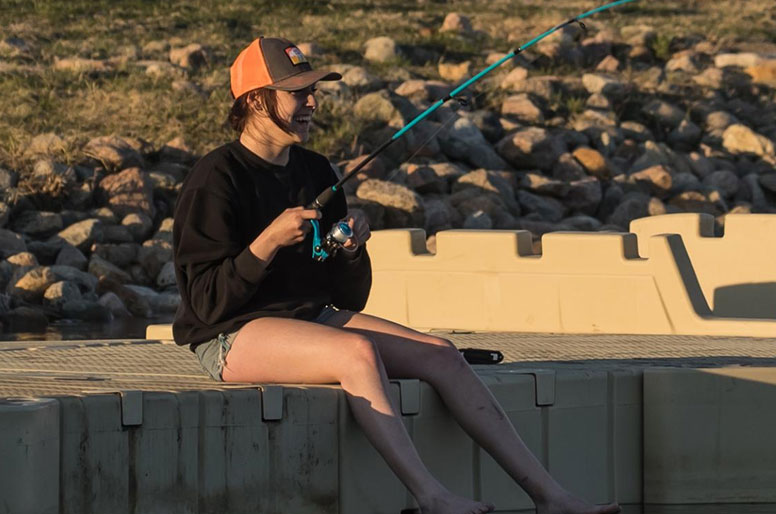
Resources to help you get started fishing.
Learn More
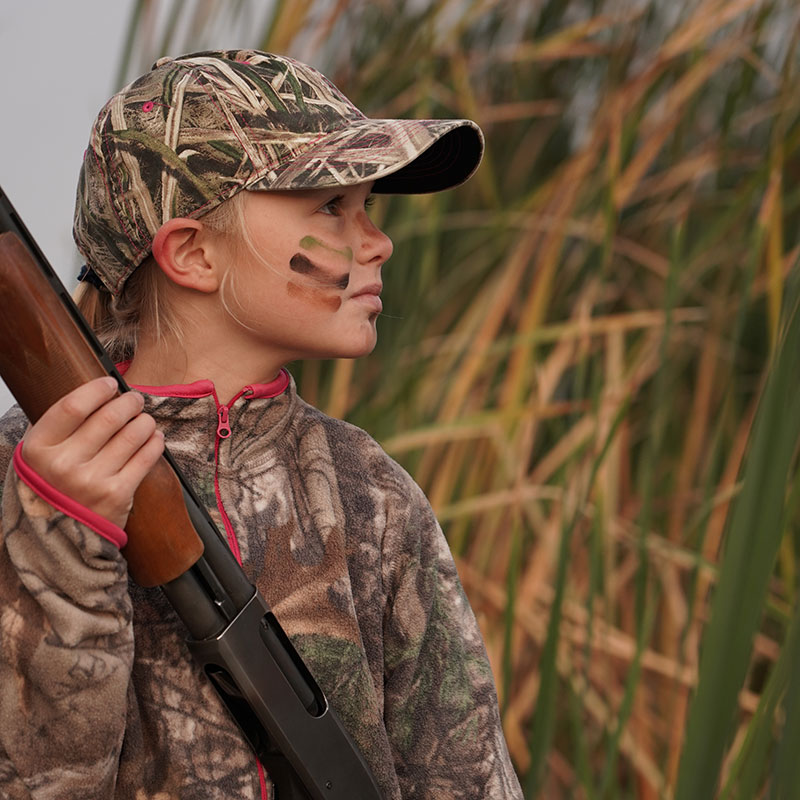
New to Hunting?
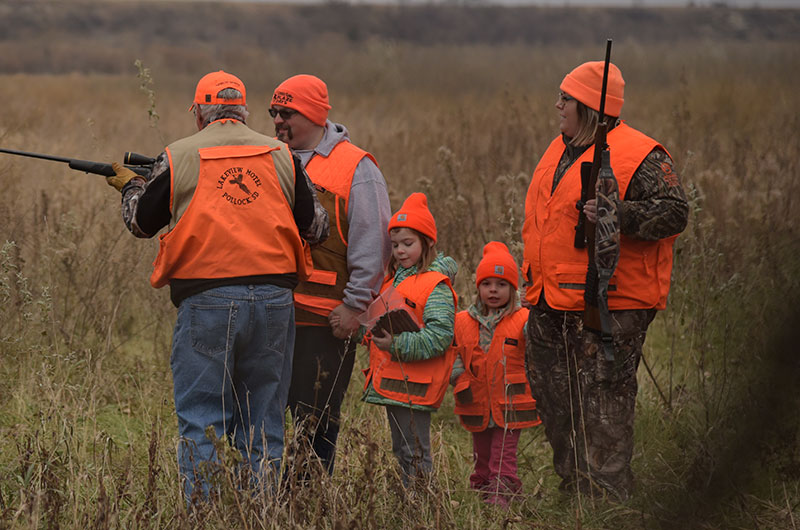
Resources to help you get started hunting.
Learn More
Cayla's Kitchen

Wild game and fish recipes
Watch
Backyards and Beyond
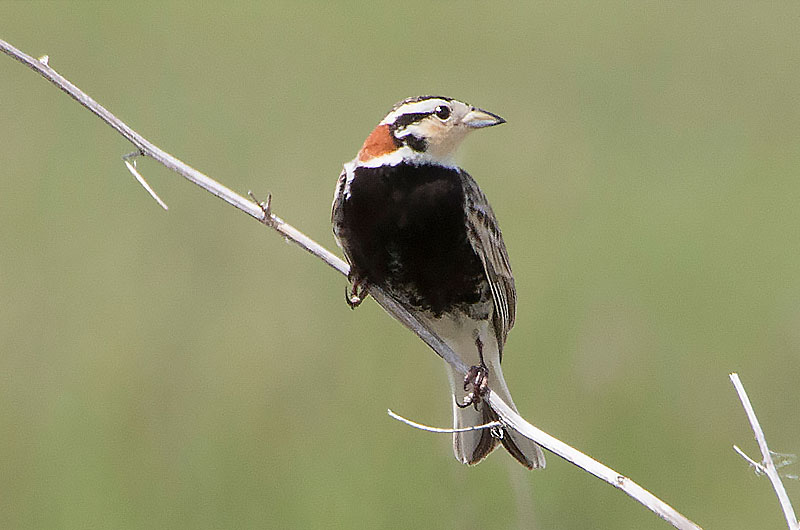
Enjoying the outdoors beyond hunting and fishing...
Learn More