
State Wildlife Action Plan - Tribal Communities
Tribal communities have played an important role in shaping North Dakota’s history (State Historical Society, North Dakota Indian Affairs Commission). North Dakota is comprised of the traditional territories of Michif Piyii (Métis), Očhéthi Šakówiŋ, Yanktonai, Assiniboine, Mandan, Hidatsa, and Arikara, Hunkpapa, Tséstho’e (Cheyenne), Sisíthuŋwaŋ, Anishinabewaki, Itazipco, Apsáalooke (Crow), Bdewakantuwan (Mdewakanton), and Niitsítpiis-stahkoii (https://native-land.ca/). Today, in North Dakota there are five recognized tribes: the Mandan, Hidatsa, & Arikara Nation (Three Affiliated Tribes), the Spirit Lake Nation, the Standing Rock Sioux Tribe, and the Turtle Mountain Band of Chippewa Indians, as well as one Indian community: the Sisseton-Wahpeton Oyate Nation. There are more than 30,000 indigenous residents in North Dakota and several million acres of tribal land.
The Importance of Culturally Significant Natural Resources to Tribal Communities in North Dakota Culturally significant natural resources are essential to the well-being, identity, and sovereignty of tribal communities in North Dakota. These resources, including native plant species, wildlife, sacred landscapes, and water bodies, are integral to traditional practices, ceremonial life, and intergenerational knowledge transfer. For many tribal nations, the relationship with these natural elements is guided by long-standing stewardship principles that emphasize balance, respect, and sustainability.
The North Dakota State Wildlife Action Plan recognizes that effective conservation must include Indigenous perspectives and honor tribal knowledge systems. Respectful engagement with tribal governments is critical to understanding the cultural dimensions of wildlife and habitat management. Furthermore, the conservation of culturally important species and landscapes supports broader ecological and social goals, including the preservation of biodiversity, the protection of treaty rights, and the promotion of community resilience.
Developing relationships with tribal nations and implementation of conservation strategies enhances the relevance and long-term success of the SWAP. This approach aligns with shared values of protecting natural heritage for future generations while acknowledging the unique relationships that tribal communities maintain with the land and its resources.
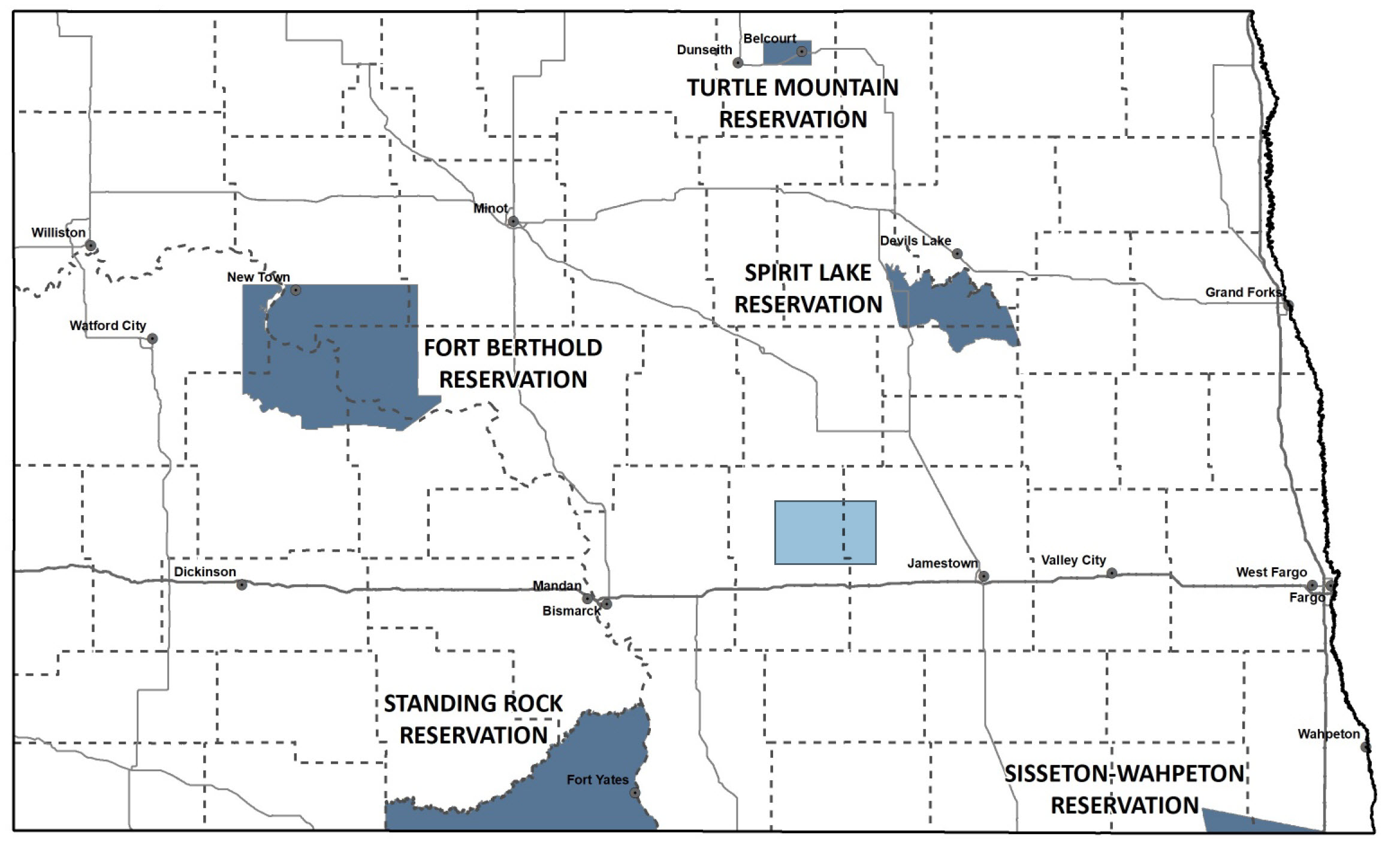
Figure 15. Tribal reservations of North Dakota.