
Leaving a Legacy
Ron Wilson
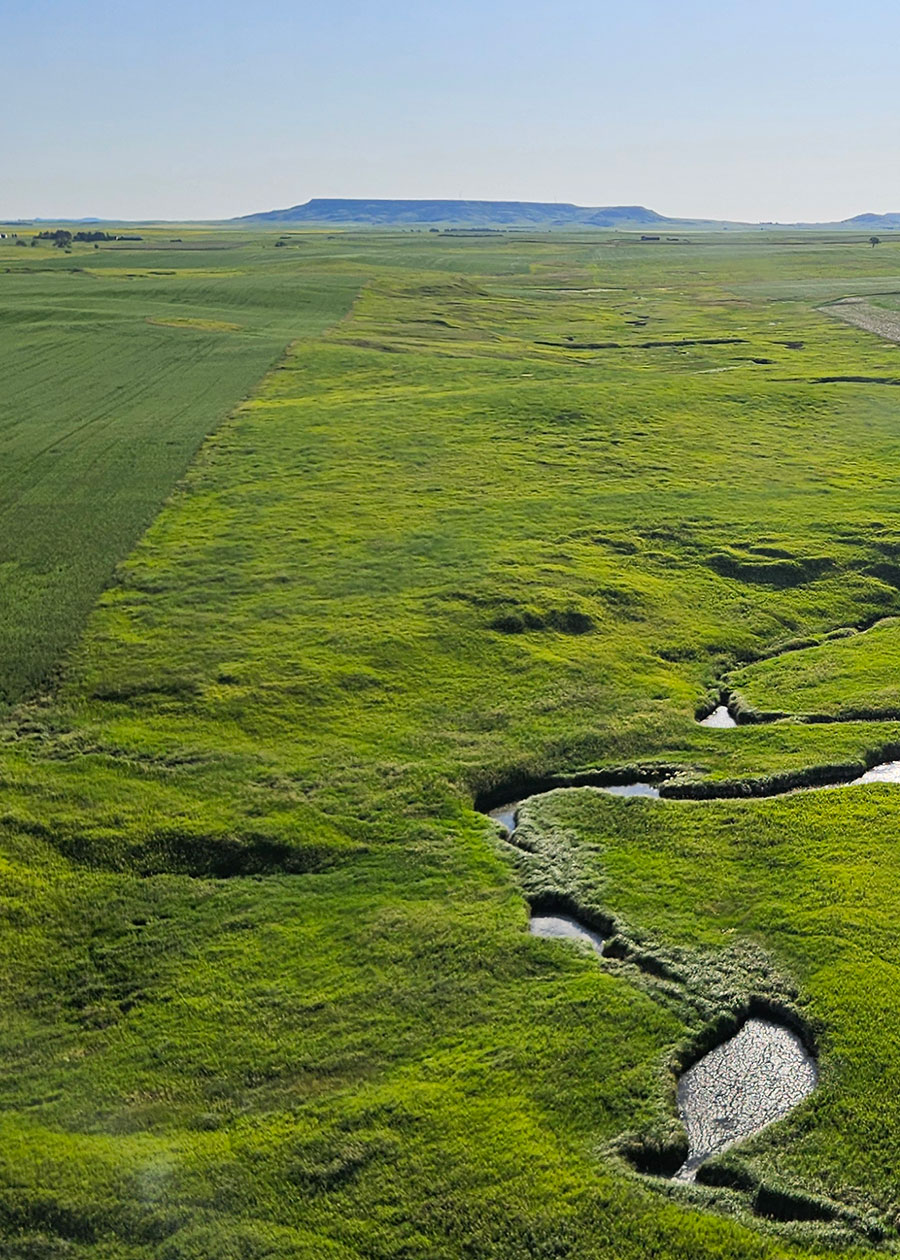
In late January, Gov. Kelly Armstrong introduced a cooperative effort to improve soil health and wildlife habitat on marginally productive cropland across North Dakota’s rural landscape.
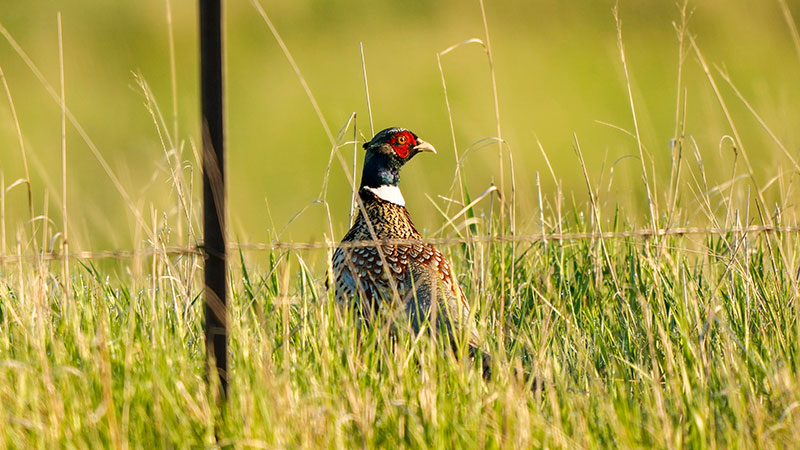
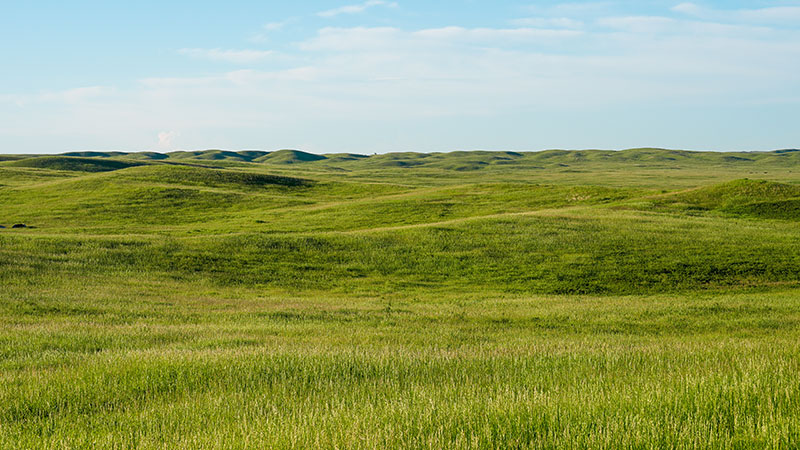
The goal of the Governor’s Legacy Soil Health and Habitat Program is to help North Dakota farmers strengthen cropland productivity and resilience with perennial grass cover, while improving soil health, water retention and creating much-needed wildlife habitat and access to hunters.
“This joint effort will help preserve and promote our rich heritage of farming and hunting for generations to come, while also showcasing the spirit of cooperation that makes North Dakota special,” Armstrong said. “Healthy soils and wildlife habitat are essential to our strong economy and the unmatched quality of life that makes North Dakota the best place to live, work and raise a family. We appreciate the ag, conservation, hunting and energy stakeholders who worked with Game and Fish and the soil conservation districts to make this program possible with Outdoor Heritage Fund support.”
The North Dakota Game and Fish Department partnered with the North Dakota Association of Soil Conservation Districts who secured a $4.3 million Outdoor Heritage Fund grant to pilot the effort. That money has been teamed with nearly $2.1 million in cash, in-kind and partner contributions.
The aim of the program, which received broad support from agricultural groups and others before its unveiling, is to eventually seek dedicated funding to execute the program on a larger scale.
“We want this program to be a positive experience for landowners and stakeholders involved. There are always various other programs or grant opportunities we might look into if they align with the Governor’s Legacy Soil Health and Habitat program,” said Rhonda Kelsch, executive director of the North Dakota Association of Soil Conservation Districts. “But overall, our hope is that landowners in North Dakota see the importance for soil health and conservation and habitat development in the state. Also, by working with our legislators and demonstrating the need and the funding required for this program to be successful would lead into a revolving conservation fund for the state of North Dakota.”
Kelsch said the Legacy program will be administered by the North Dakota Association of Soil Conservation Districts, with local delivery through soil conservation districts and partners.
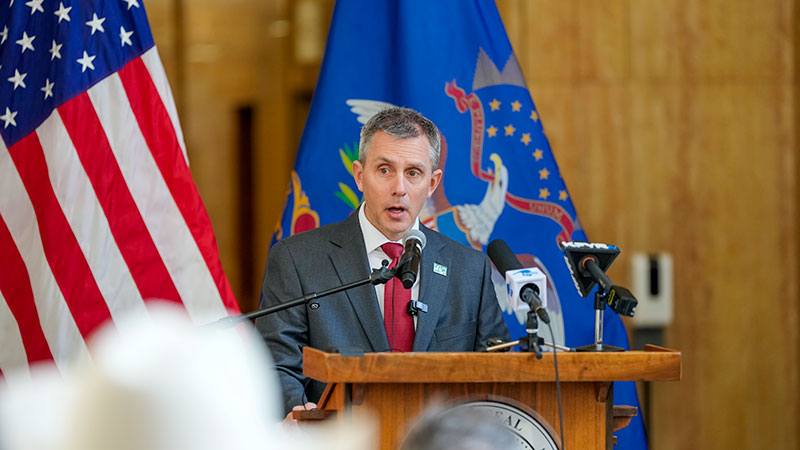
Kading said the program is getting some traction and is already being well received by producers, commodity and ag groups.
“I’m expecting there will be good interest in it because of the nature of it, because of that shorter term agreement, that quicker flexible process that’s involved,” he said. “It’s a program that’s going to help producers overall on their operation while still keeping those working lands active. It’s a good fit for all those features.”
Kelsch and Kading said the “we” in the establishment of the program wasn’t simply the Game and Fish Department and the North Dakota Association of Soil Conservation Districts.
“There are several other partners that spent a lot of their time with us over the last year, sitting at the table having discussions and they all had a hand in helping shape this and forming what the program will look like,” Kading said. “Their feedback and input was very valuable. And so, we want to make sure that we give credit to those organizations, groups and people who had that seat at the table with us. This program wouldn’t be possible without that collaborative effort.”
For landowners interested in the effort to improve soil health and wildlife habitat, contact the North Dakota Association of Soil Conservation Districts at ndascd.com or their local soil conservation district.
“With this program, it’s our chance as a state and as ag, conservation and energy partners to leave a legacy and try to continue the heritage we have in our state for hunting and agriculture,” Kading said. “It’s a good time right now to have these discussions and for this program. We’re very hopeful that it continues on past the Outdoor Heritage Fund grant and that it becomes something that’s a statewide, dedicated source of funding that continues into the future.”