


Buffaloberry Patch
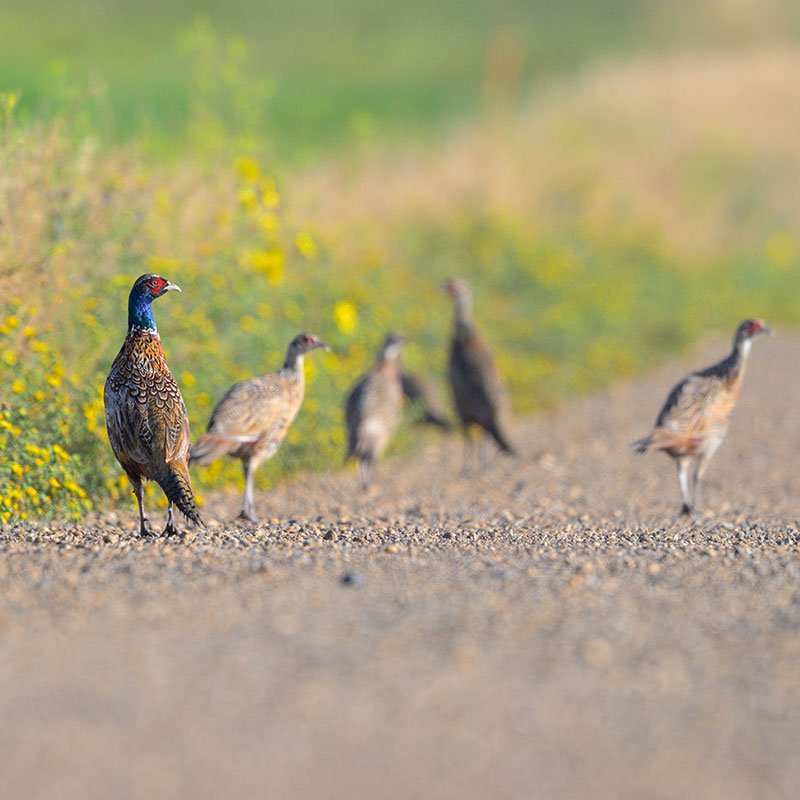
Upland Bird Numbers Look Good
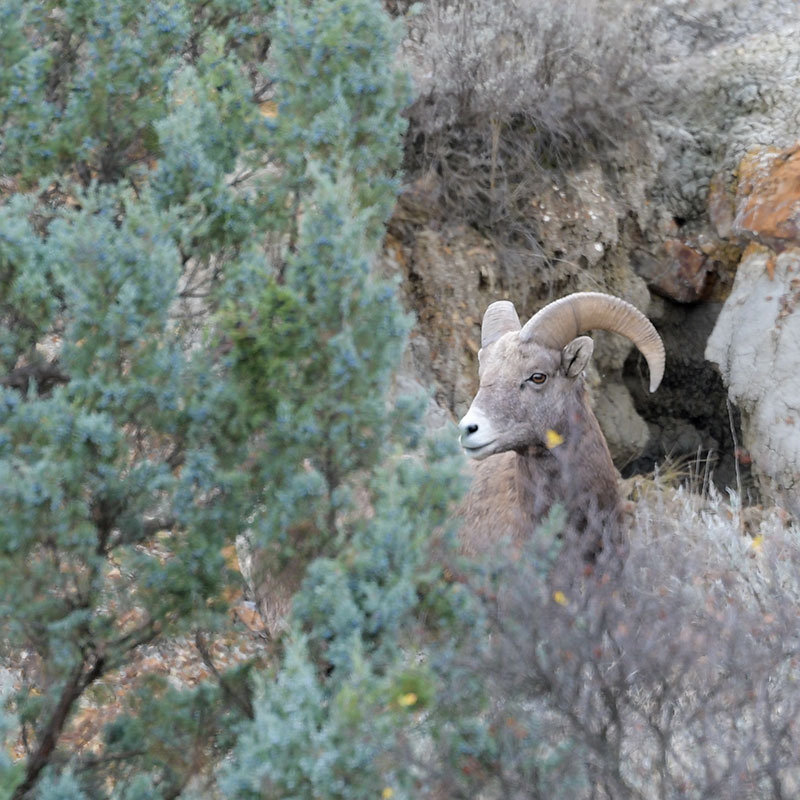
Not Bad News for Bighorn Population
No Ducking Spread of ANS
Waterfowl hunters need to do their part in preventing the spread of aquatic nuisance species into or within North Dakota.
Hunters must remove aquatic plants and plant fragments from decoys, strings and anchors; remove aquatic plant seeds and plant fragments from waders and other equipment before leaving hunting areas; remove all water from decoys, boats, motors, trailers and other watercraft; and remove all aquatic plants from boats and trailers before leaving a marsh or lake.
In addition, hunters should brush their hunting dogs free of mud and seeds.
Cattails and bulrushes may be transported as camouflage on boats. All other aquatic vegetation must be cleaned from boats prior to transportation into or within North Dakota.
Drain plugs on boats must remain pulled when a boat is in transit away from a water body.
In addition, hunters are reminded of a state law that requires motorized watercraft, including motorized duck boats, operated on state waters and not licensed in North Dakota, to display an ANS sticker, including an ANS fee to be paid each calendar year.
Find more ANS information, including regulations, online.
Motorists Beware of Deer
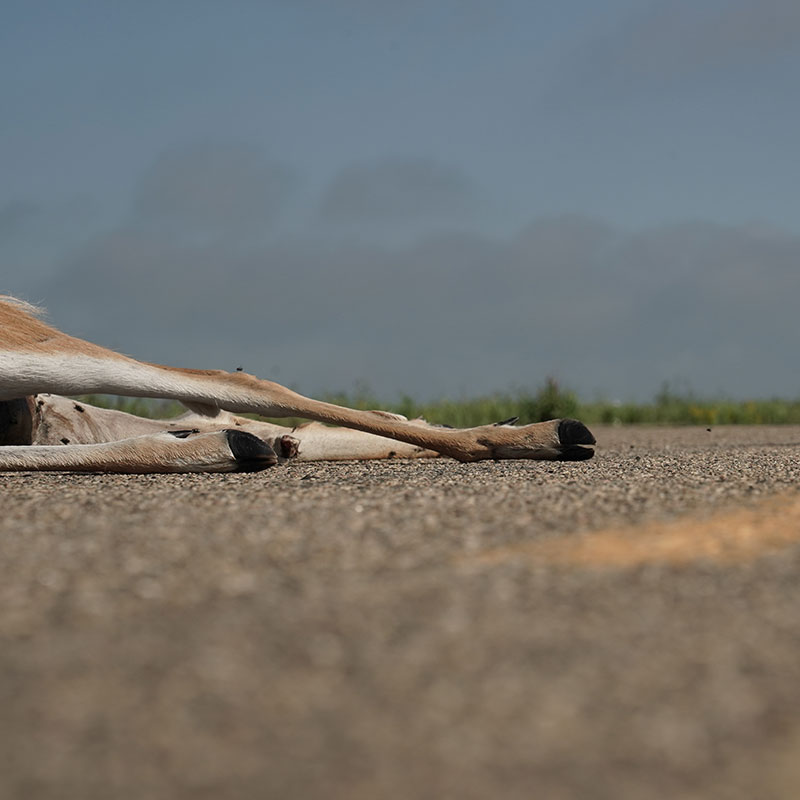
Duck Boat Safety
Waterfowlers hunting from boats are encouraged to wear properly fitted life jackets while on the water.
Hunting coats with life jackets built in are light and comfortable to wear. In addition, wearing a life jacket will not only keep the overboard hunter afloat, but also slow the loss of critical body heat caused by exposure to cold water.
Capsizing and falling overboard from small boats are the most common types of fatal boating accidents for hunters.
Check for Zebra Mussels
The North Dakota Game and Fish Department is asking water recreationists and property owners to check for zebra mussels and other aquatic nuisance species when removing boat lifts, docks and other equipment from state waters.
Ben Holen, Department ANS coordinator, said water recreationists and property owners play a vital role in ANS prevention.
Zebra mussels attach to hard surfaces that are left in the water for long periods of time, first settling in tight spaces and areas that are protected from sunlight, Holen said.
Equipment such as boat lifts and docks are high risk vectors for spreading ANS, especially zebra mussels.
Holen said it makes it easier to do a thorough search when equipment is taken out of the water in fall. Pay special attention to wheel wells, right angles on frames, and areas otherwise protected from sunlight. Feel for attached organisms that have small hair-like structures holding them in place. Small mussels can feel like rough sandpaper and adults can be as large as 2 inches long.
Holen said if you think you’ve found a zebra mussel, take photos, write down any relevant information, such as how many were found and where, and report it online.
Dead Deer Permit
North Dakota Game and Fish Department enforcement personnel issue the reminder that a permit is required before taking possession of a dead deer found near a road or in a field.
Only shed antlers can be possessed without a permit.
Permits to possess are free and available from game wardens and local law enforcement offices.
In addition, hunters are reminded to properly dispose of dead deer. A deer carcass transported outside of its
respective gun unit must be disposed of via landfill or waste management provider.
Order 2027 OUTDOORS Calendars
The North Dakota Game and Fish Department is taking orders for its North Dakota OUTDOORS calendar, the source for all hunting season and application dates for 2027. Along with color photographs of North Dakota’s wildlife and outstanding scenery, it also includes sunrisesunset times and moon phases.
Calendars must be ordered online.
The calendar is the North Dakota OUTDOORS magazine’s December issue, so current subscribers will automatically receive it in the mail.
Staff Notes

Myhre Receives Highest Honor
In August, James Myhre, North Dakota Game and Fish Department district game warden, was recognized by the North Dakota Peace Officers Association as the 2026 North Dakota Peace Officer of the Year.
The North Dakota Peace Officer of the Year Award is the highest honor given by the Association. The award is presented to a North Dakota peace officer based upon the officer’s outstanding service, professional dignity, and unselfish personal contributions to the citizens
of North Dakota. The award serves as recognition of those officers who display a consistent mark of excellence within their profession.

Nucech Joins Agency as GIS Manager
Darrel Nucech has been named GIS manager for the North Dakota Game and Fish Department in Bismarck. He holds a Master of Science in Geography from the University of North Dakota and brings extensive experience in geographic information systems. His career began with the U.S. Forest Service’s Black Hills National Forest as a cartographic technician. Prior to joining the Department, Nucech served as GIS coordinator for the City of Bismarck, where he also gained valuable experience as a GIS technician and analyst.