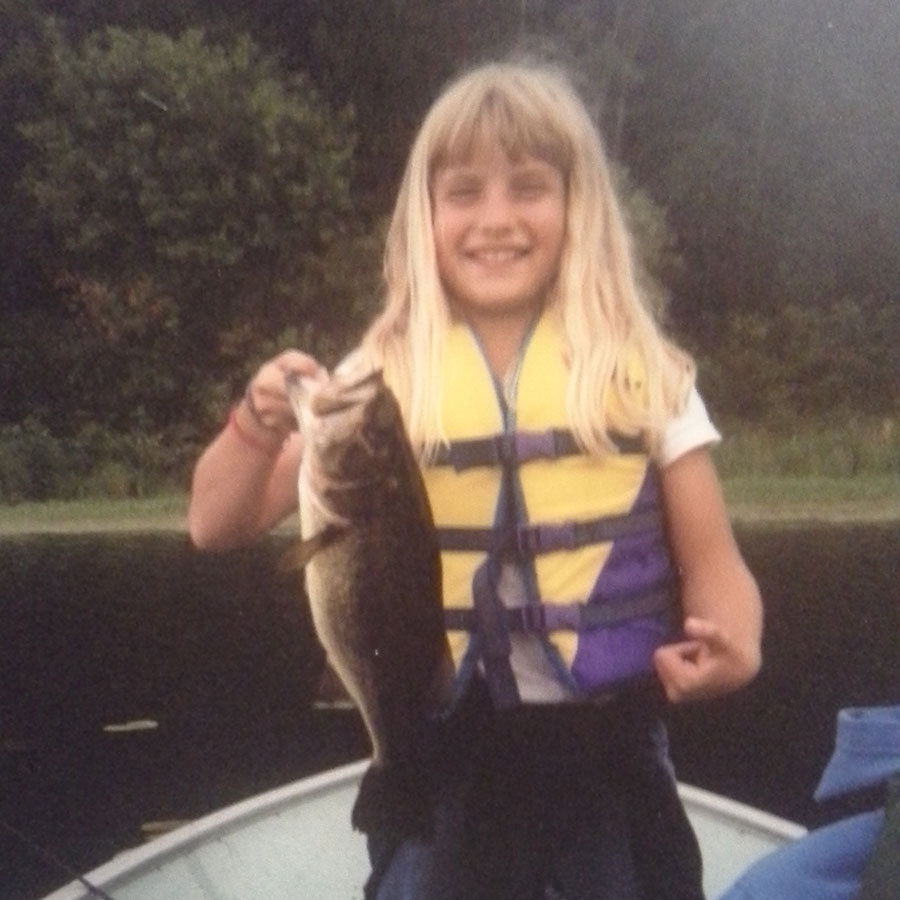
As many readers know, much of my formative fishing days were actually condensed to a one week cabin trip to central Minnesota, where bluegills, crappies and largemouth bass were the target species.
And shake your head as you may, I’m a little tired of dragging spinners around this summer, often for naught.
I miss casting a jig and feeling slack line go taunt.
At whatever age dad deemed it somewhat safe to permit treble hooks on the end of our lines, my lure of choice for evenings at the sunken island was the Jitterbug. My brother’s the Zara Spook.
I loved the little bubbly noise the cupped lips made as the lure weaved back and forth on top of the water. I enjoyed the knack it took to make it retrieve correctly, and what kid doesn’t love the thrill of an unpredictable topwater strike?
Largemouth bass seemed to be such a staple of my fishing upbringing. My dad told us tall tales of his bass tournament days on the Mississippi River, and back at the cabin as we advanced from dock sunnies, we ventured on kayaks and paddleboats in search of the illustrious largemouth. We honed our tactics, mastering bait caster reels, setting the hook on Texas rigs, and placing the perfect cast.
But somewhere along the way, we grew up.
We graduated to muskies for a while and then I moved here and jumped on the walleye bandwagon.
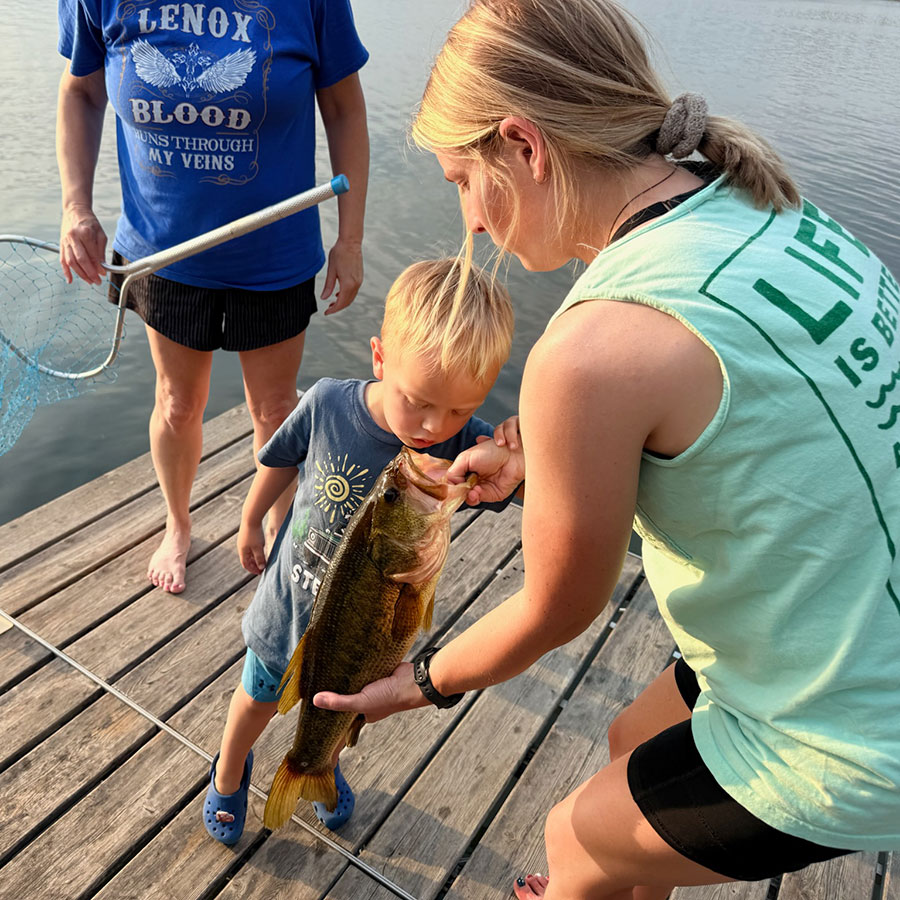
But, as our fishing trips grow more interrupted and Fischer begins to take slightly more of an interest, I’ve been inspired to return to those days.
Members of the sunfish family, largemouth bass are a warmwater species on the northern edge of their range here in North Dakota.
According to Jerry Weigel, our fish production guru, we went a little crazy in the 90’s and stocked close to a million largemouth bass fry from southern Colorado for a few years. But he thinks, given the drastic difference in geography, we were likely stocking bass in June that were a month ahead of where our bass would be if they reproduced naturally. That made them a little bigger going into winter and their survival was higher. But as stocking efforts decreased, the species didn’t make it in many of the water bodies.
Today, we have a better handle on what lakes support a largemouth fishery and we partner with other states that have excess fry to sustain those when we can.
With our hardy plains winters, we’ll never boast the bucketmouth hawgs of the south, but if you too tire of the walleye monotony, there’s still a few places to cast a Texas rig and wait for the line to go taunt.