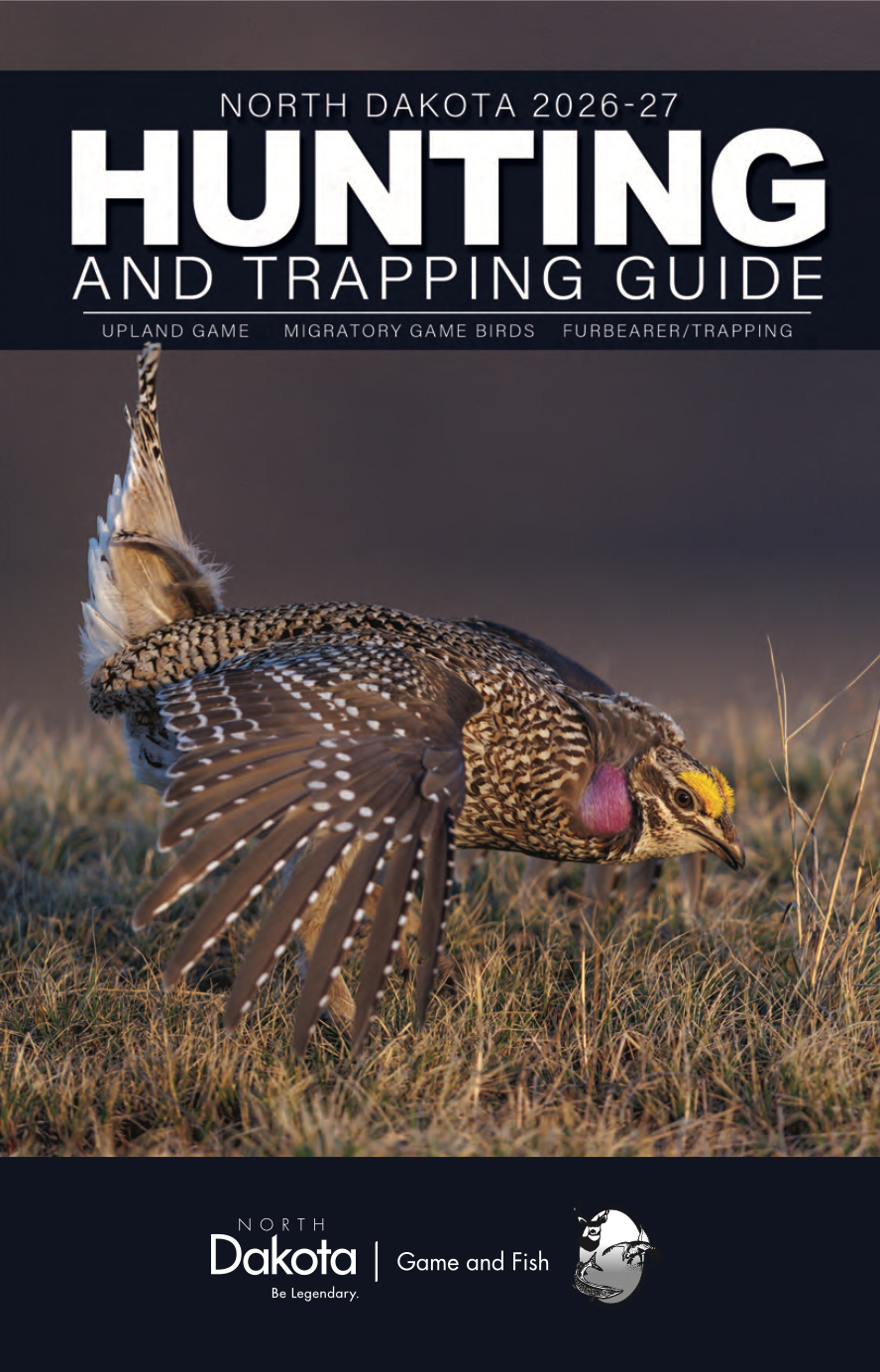
Hunters and trappers can find the North Dakota 2026-27 Hunting and Trapping Guide, which includes upland game, migratory game bird and furbearer hunting/trapping regulations and other information, by visiting the state Game and Fish Department’s website, gf.nd.gov. Printed guides are available at the usual license vendor locations.
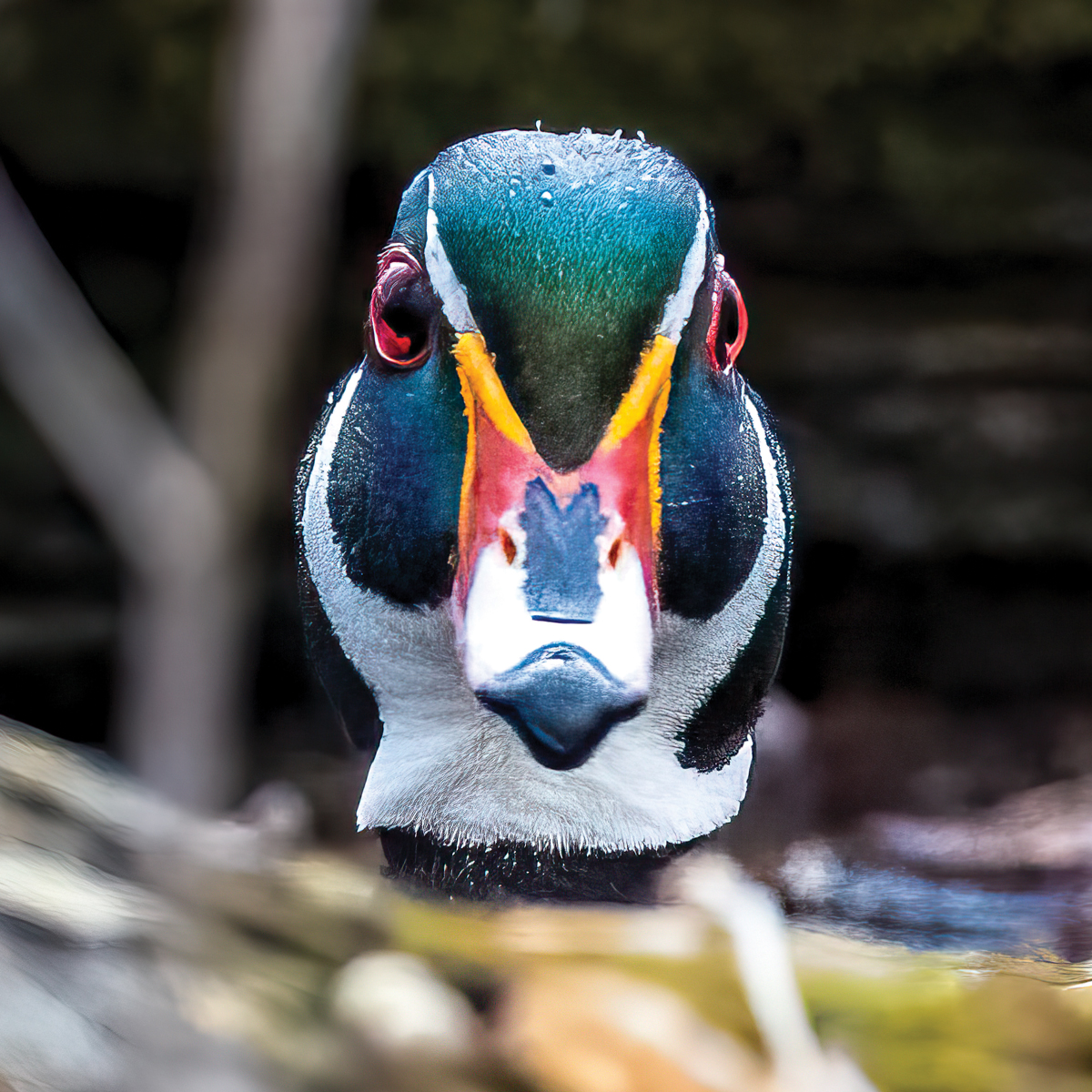
The 50-plus page guide also features a colored duck identification guide, aquatic nuisance species information, Tom Roster’s Nontoxic Shot Lethality Table and more.
North Dakota law requires all waterfowl hunters, regardless of age, to have a state-issued waterfowl habitat restoration stamp in possession while afield this fall. Waterfowl include ducks, geese, swans, mergansers and coots.
The electronic waterfowl habitat restoration stamp costs $5 and money generated from e-stamp sales is earmarked for the Waterfowl Habitat Improvement Fund, which is aimed at improving and restoring waterfowl habitat and supporting youth hunting programs.
In addition, a federal duck stamp is required for waterfowl hunters 16 and older beginning Sept. 1. The federal electronic duck stamp is valid for the entire waterfowl hunting season. A physical stamp will be mailed in March 2027 to individuals who purchased the e-stamp.
Those interested in buying physical federal duck stamps can purchase them at many U.S. Postal Service offices or the Amplex website, and Amplex should be used for hunters wanting to support conservation by purchasing extra duck stamps.
The federal duck stamp costs $25. An additional $4 processing fee is added.
This year’s stamps are available for electronic purchase through the North Dakota Game and Fish Department’s website, gf.nd.gov, or license vendors registered with the Department’s licensing system.
Migratory bird hunters of all ages need to register with the Harvest Information Program prior to hunting ducks, geese, swans, mergansers, coots, cranes, snipe, doves and woodcock. Hunters must register in each state they are licensed to hunt.
Hunters can HIP certify when purchasing a license by visiting the North Dakota Game and Fish Department website, gf.nd.gov.
Those who registered to hunt during the spring light goose conservation order in North Dakota do not have to register with HIP again, as it is required only once per year.
HIP registration is a cooperative program designed to determine a sample of hunters to measure harvest of migratory birds for management purposes.
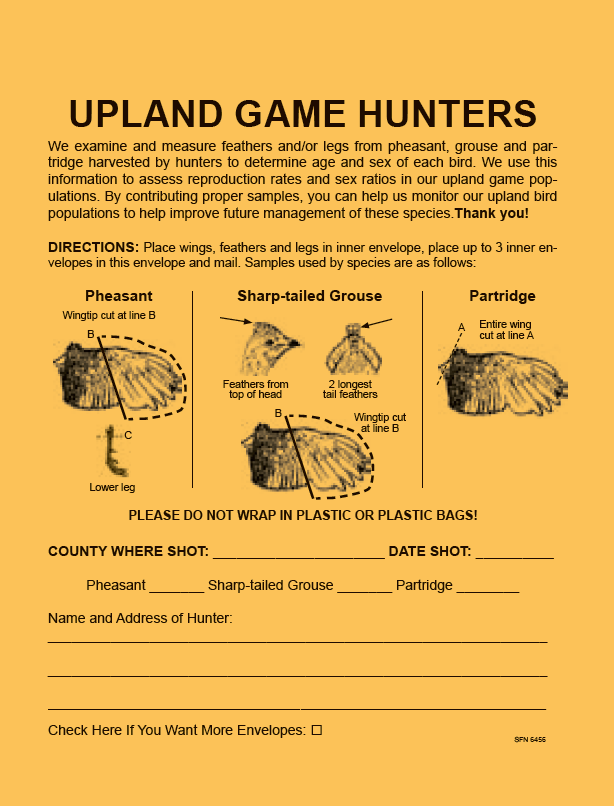
Hunters can help in the effort to manage upland game birds in the state by collecting feathers from harvested birds and sending in wing envelopes.
Birds included in the North Dakota Game and Fish Department’s upland game wing survey, which has been in practice for decades, are ring-necked pheasants, sharp-tailed grouse, gray partridge (commonly referred to as Hungarian partridge), turkeys and ruffed grouse.
Collecting enough pheasant samples is typically never a problem, but securing enough sharptail and partridge feathers can be.
Game and Fish biologists will take as many sharptail and partridge feathers as they can get because the more collected, the better the data. Biologists can determine sex and age ratios from wings and tail feathers, survival, nesting success, hatch dates and overall production.
What biologists learn from the samples is vital to helping manage North Dakota’s upland game birds.
Hunters interested in receiving wing envelopes should visit the Game and Fish website, gf.nd.gov, or contact the Department’s main office in Bismarck at 701-328-6300 or email ndgf@nd.gov.
Hunters can also get wing envelopes at Game and Fish District offices in Devils Lake, Jamestown, Riverdale, Dickinson, Williston and Lonetree Wildlife Management Area near Harvey.
While it was legal for hunters to place tree stands, ground blinds and game cameras on state wildlife management areas in late August, they are reminded that equipment set out prior to that date, or left on a WMA after Jan. 31, is considered abandoned property and is subject to removal.
In addition, an equipment registration number, or the owner’s name, address and telephone number, must be displayed on all equipment requiring identification.
Owners can generate an equipment registration number by visiting My Account at the Game and Fish website, gf.nd.gov. One registration number will be issued that can be used on all equipment that requires identification.
With hunting seasons and other fall activities underway, hunters and other outdoor enthusiasts need to be aware of the daily fire danger index.
There is a lot of fuel on the landscape, and hunters are urged to keep up with the daily rural fire danger index, which is issued by the National Weather Service, to alert the public to conditions that may be conducive to the accidental starting or spread of fires.
In addition, county governments have the authority to adopt penalties for violations of county restrictions related to burning bans. These restrictions apply regardless of the daily fire danger index and remain in place until each county’s commission rescinds the ban.
Hunters should consider bringing along a shovel, fire extinguisher, extra water and heavy fabric for putting out accidental fires. However, individuals who are not trained firefighters should not attempt to fight a fire that is out of control. Instead, contact the nearest rural fire department immediately.
Also, hunters should stay clear of tall vegetation when parking a vehicle.
The fire danger index can change daily depending on temperature, wind and precipitation forecasts. If the index reaches the high, very high or extreme category, open burning is prohibited; off-road travel with a motorized vehicle is prohibited, except for people engaged in a trade, business or occupation where it is required; and smoking is restricted to inside of vehicles, hard surface areas, homes or in approved buildings.
Information on current fire danger indexes is available at NDResponse.gov.
Hunters should check harvested migratory birds for bands this fall and report federal bands at reportband.gov.
In addition, the bird banding lab has a mobile-friendly reporting site that will aid hunters to report bands via mobile devices.
The band number, date and location of each recovery are needed. After the band information is processed, hunters can request a certificate of appreciation, and information about the bird will be returned in an email. Hunters can keep all bands they recover. Information received from hunters is critical for the management of migratory game birds.
North Dakota’s sandhill crane season opens Sept. 19 and continues through Nov. 15.
In addition to other licenses required, resident hunters need a $10 crane permit, while nonresidents need a $30 permit. Hunters can apply online at the North Dakota Game and Fish Department website, gf.nd.gov. Harvest Information Program certification is required.
The North Dakota Game and Fish Department’s Private Land Open To Sportsmen Guide for 2026 is now available online at the Game and Fish website, gf.nd.gov.
The guide will feature about 923,000 PLOTS acres. Because PLOTS tracts can be added or removed from the program throughout the year, hunters are encouraged to use the Game and Fish mobile app or other mapping and browser-based applications to locate and identify these tracts. Map sheets are updated weekly on the Department’s website.
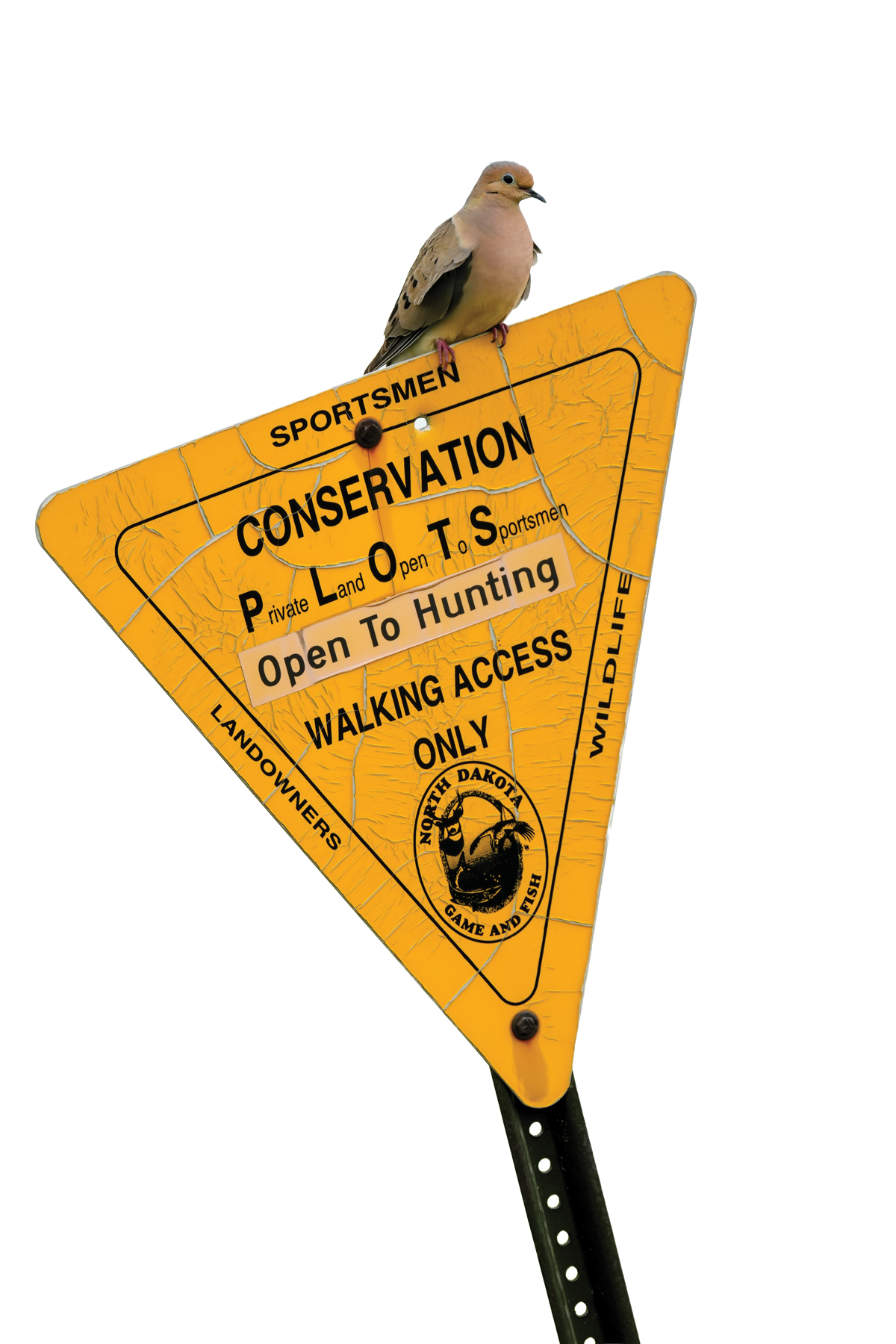
The PLOTS guide features maps highlighting these walk-in areas, identified in the field by inverted triangular yellow signs, as well as other public lands.
To maximize the use of hunter dollars, fewer signs will be placed on PLOTS tracts in the future. The cost savings will be directed to the addition of more habitat and access.
The free printed PLOTS guides are available at most license vendors and other locations throughout the state. The guides are not available by mail, so hunters will have to pick one up at a local vendor or Game and Fish offices or print individual maps from the website.
North Dakota hunters need to be cautious of farm, ranch and other traffic when traveling on rural roads.
Fall is a busy time in the state as farmers and ranchers are harvesting crops, moving cattle, hauling bales and moving heavy machinery. Knowing this, hunters driving around on country roads should slow down when meeting another vehicle and pull well to the right when topping a hill.
To maintain positive landowner/hunter relations, Game and Fish Department officials said hunters should move to the right side of the road to allow wide farm vehicles to pass, park vehicles in a place that will not block a roadway, field approach or gate, pick up trash and empty shells, and not clean game in the road ditch or approach.
Photographers interested in sending photos for the North Dakota Game and Fish Department’s Watchable Wildlife Photo Contest are asked to follow the guidelines for submitting their work.
Photographers should go to the Game and Fish Department’s website at gf.nd.gov/wildlife/watchable-photo-contest. Then it is a matter of providing some pertinent information about the photo and uploading it. Doing so helps both with ease of submitting photos for the photographer and managing those images for Department staff.
The contest is now open and the deadline for submitting photos is Oct. 2. For more information or questions, contact Patrick Isakson, Department conservation supervisor.
The contest has categories for nongame and game species, as well as plants/insects. An overall winning photograph will be chosen, with the number of place winners in each category determined by the number of qualified entries.
Contestants are limited to no more than five entries. Photos must have been taken in North Dakota.
By submitting an entry, photographers grant permission to Game and Fish to publish winning photographs in North Dakota OUTDOORS, and on the Department’s website.
Wildlife Resource Leader Retires
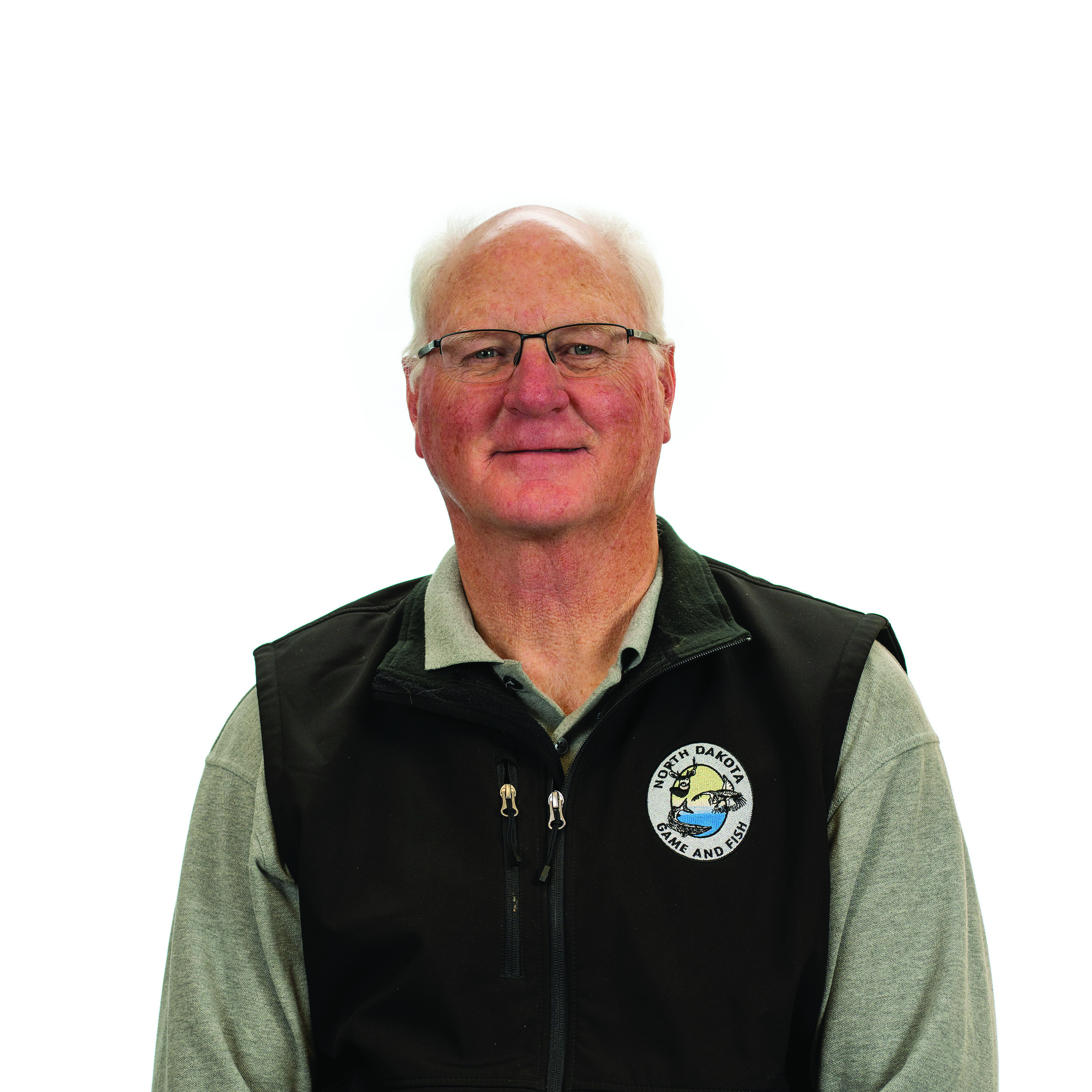
Kent Luttschwager retired in August after 35 years with the North Dakota Game and Fish Department.
At the time of his retirement, Luttschwager was the agency’s wildlife resource management section leader in Williston, a position he held for the entirety of his employment with the Department.
"Kent had a long and impactful career, and his contributions to wildlife conservation and the Department will leave a lasting legacy," said Bill Haase, Department wildlife division chief.
Todd Buckley, who has served the Williston district for the past 14 years as a PLI biologist and resource biologist, has filled Luttschwager’s position.
Sevigny Named Wildlife Resource Biologist
Erica Sevigny was named wildlife resource management biologist in Williston for the North Dakota Game and Fish Department.
Sevigny has worked for the agency for a number of years in a variety of roles, most recently as a private lands biologist in Williston beginning in 2021.
Gleason Fills Private Land Position
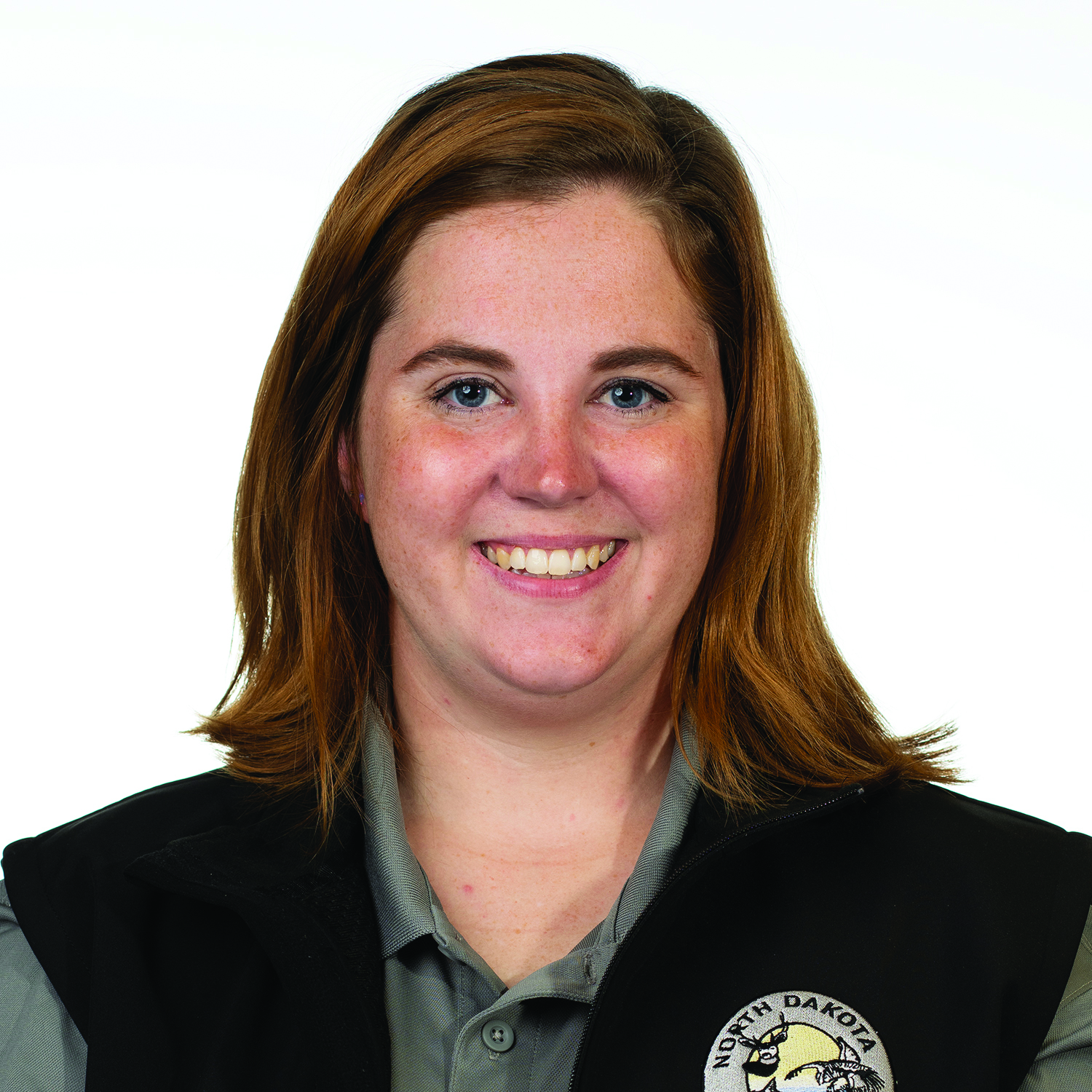
Colleen Gleason was named west region private land field operation supervisor for the North Dakota Game and Fish Department in Bismarck.
Gleason joined the agency from Owosso, Mich., where she served in a private land biologist position shared by Ducks Unlimited, Michigan Department of Natural Resource and the U.S. Fish and Wildlife Service.
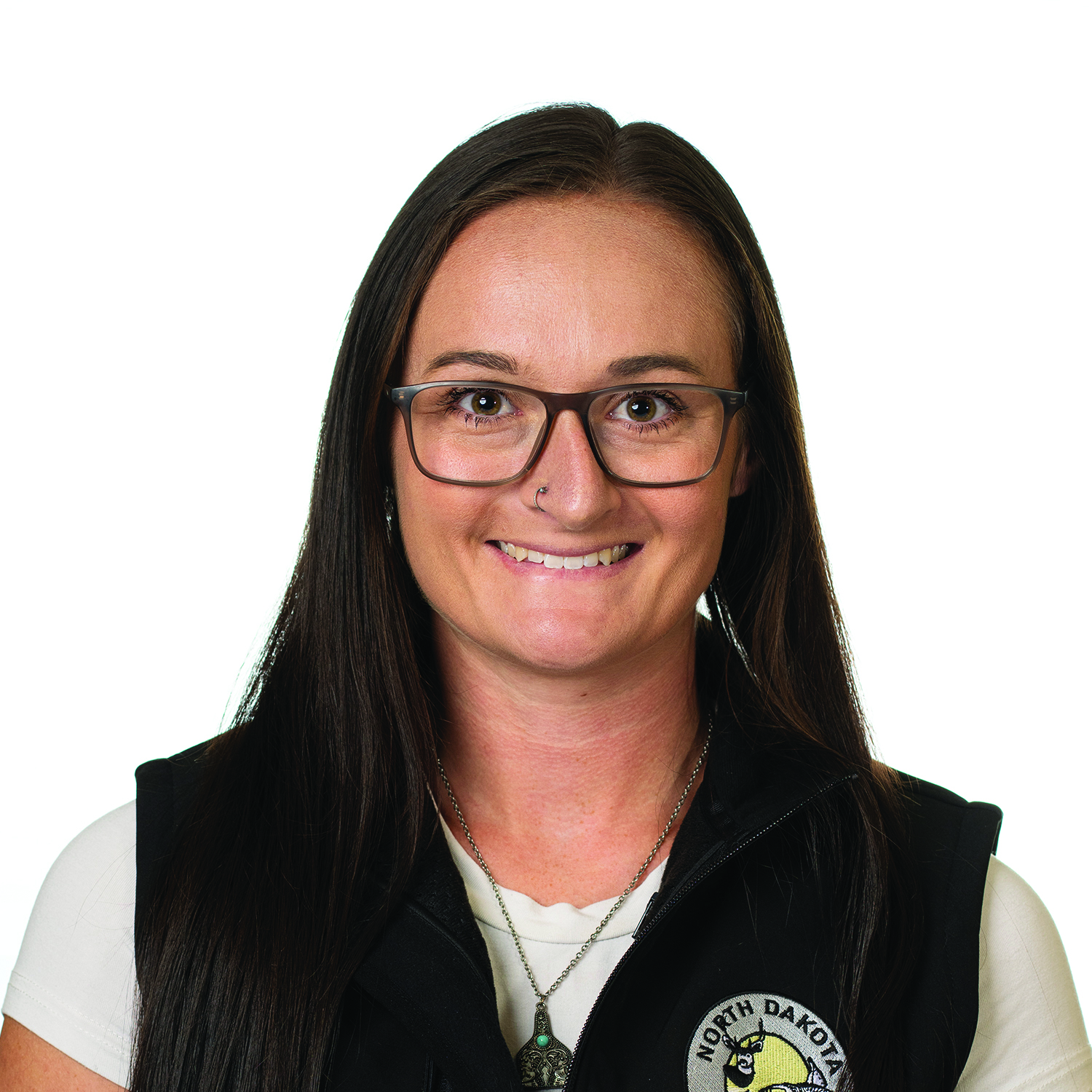
Ryberg Fills Accounting Position
Ashley Ryberg recently filled the North Dakota Game and Fish Department’s fiscal services accounting position.
Ryberg joined Game and Fish from the North Dakota Tax Department, where she served as a compliance officer in Bismarck.
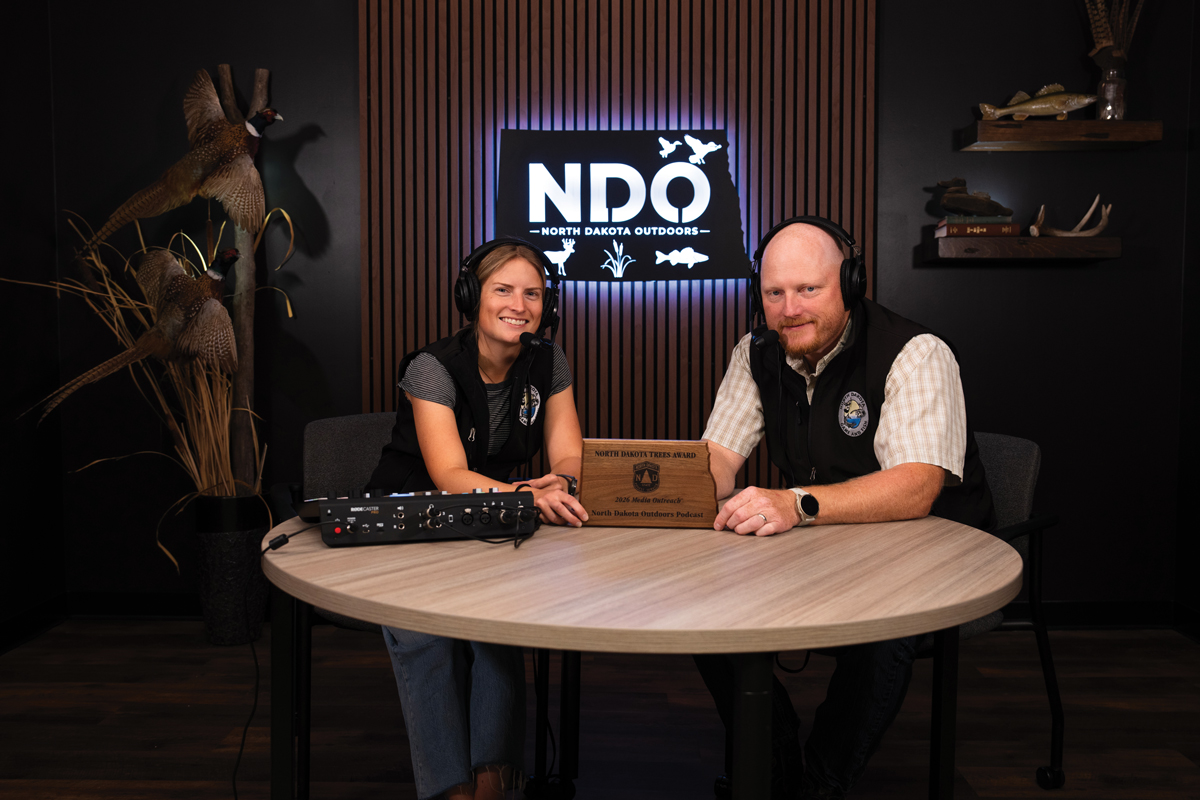
NDO Podcast Duo Honored
ND Outdoors podcast received the 2026 Media Outreach Trees Award sponsored by North Dakota State University-North Dakota Forest Service.
The award was presented in August at the Trees Bowl at the Fargodome to NDO hosts Casey Anderson, North Dakota Game and Fish Department deputy director, and Cayla Bendel, Department marketing coordinator.
The Trees Awards recognizes individuals, organizations and agencies who contribute in an outstanding way to forestry activities including fire mitigation, tree planting or environmental education. These efforts improve North Dakota’s forest resources, enhance quality of life, and impact the state’s health, safety and economy.
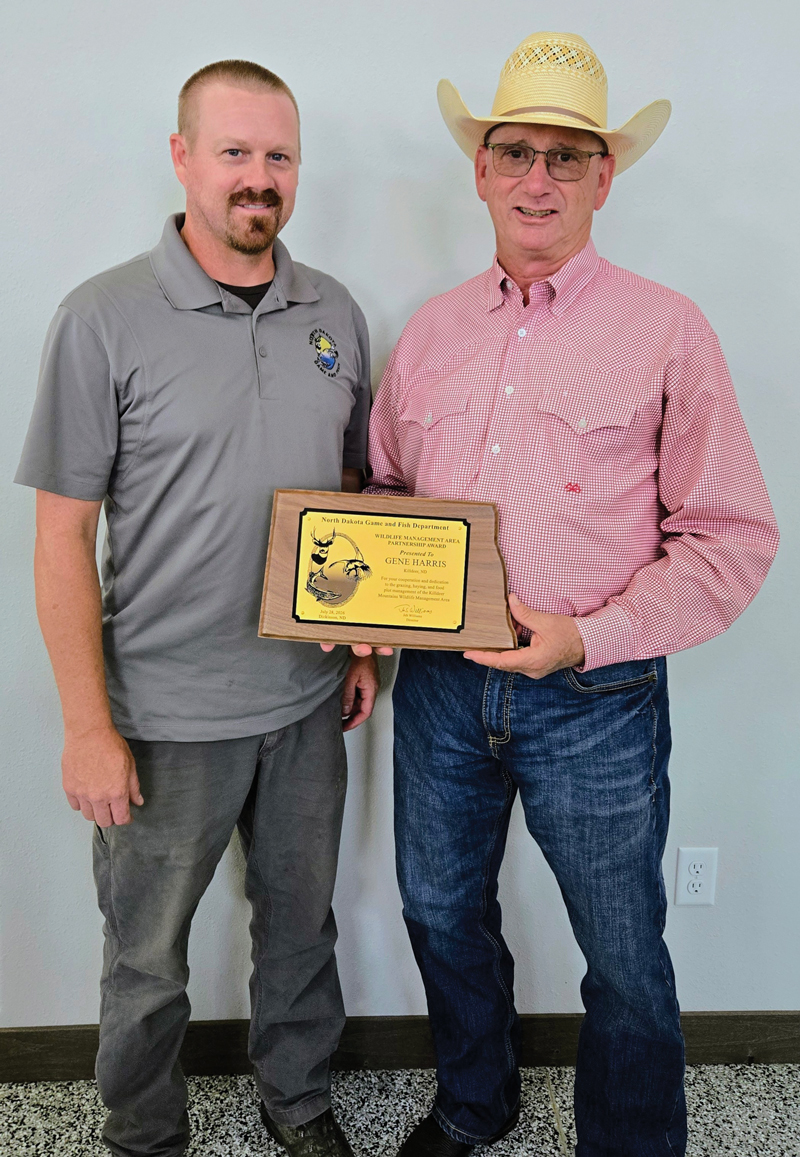
WMA Partnership Award Winner
The North Dakota Game and Fish Department recognized Gene Harris in July with its Wildlife Management Area Partnership Award.
Harris has been a cooperator since 2014 on the Killdeer Mountains Wildlife Management Area.
“Gene has been an instrumental part in helping develop water improvements, fencing, food plot establishment, overall grazing and habitat management whether it be from assistance on the ground to providing input or ideas to improve the overall productivity of the WMA,” said Judd Jasmer, Department wildlife resource management supervisor in Dickinson. “His forward-thinking mindset and willingness to work with the Department has made the partnership a great experience and a benefit to not only Game and Fish but to the sporting public who utilize the WMA.”