

Yellow Bumble Bee

Specimen photo from Xerces Society, Susan Crick.
Most recognizable for often being almost entirely covered in yellow hairs except the last segments of the thorax. The thorax is mostly yellow with a thin black band across it and T1-T4 (and T5 in males) are yellow as well.
Status in North Dakota
Resident.
Range Map

Yellow Bumble Bee primary range (dark gray).
Reason for SWAP Designation
SGCN (c). At-risk, expert review or recent assessment. Globally ranked G3 (vulnerable).
Threats
Bumble Bees face a number of threats, likely all of which have played a role in population declines.
The introduction of pathogens from introduced commercial bumble bees, the loss of foraging and nesting habitat, and the widespread use of pesticides continue to negatively impact current populations.
Other threats include habitat degradation and fragmentation, naturals pests and diseases, and climate change.
Research and Monitoring
Statewide pollinator surveys have been completed by the USFWS HAPET team and NDSU.
Pollinator surveys should continue throughout the state to determine species range and population trends in ND.
Management Recommendations
- Develop pollinator habitat.
- Protect and manage high quality native prairie.
- Develop connectivity between quality habitats.
- Plant native nectar plants to improve habitat.
- Avoid broadcast spraying of pesticides and herbicides at known sites to minimize loss of adults and nectar sources.
Primary Geological Regions
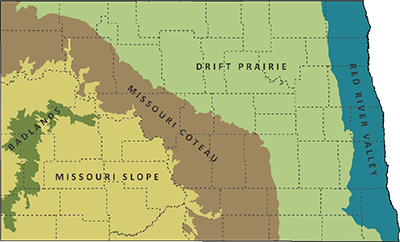
Habitat Associations
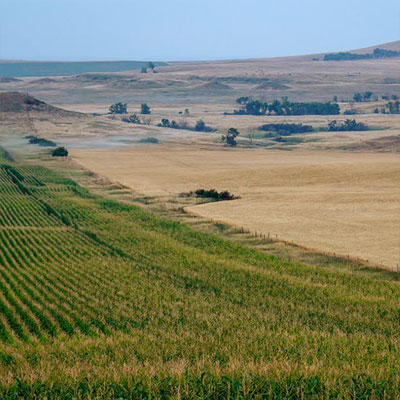
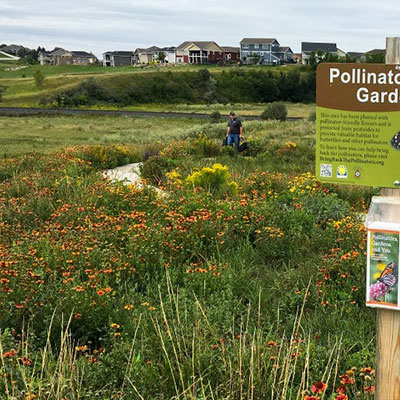
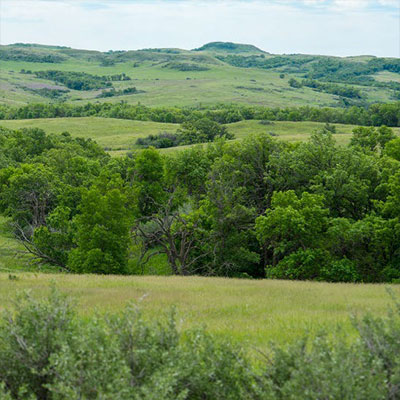
Habitat Use
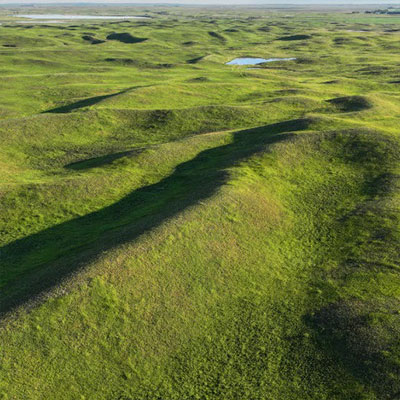
This species can be found in native and planted grasslands, forest edges, along roadsides, and even suburban and agricultural areas where floral resources are available.