
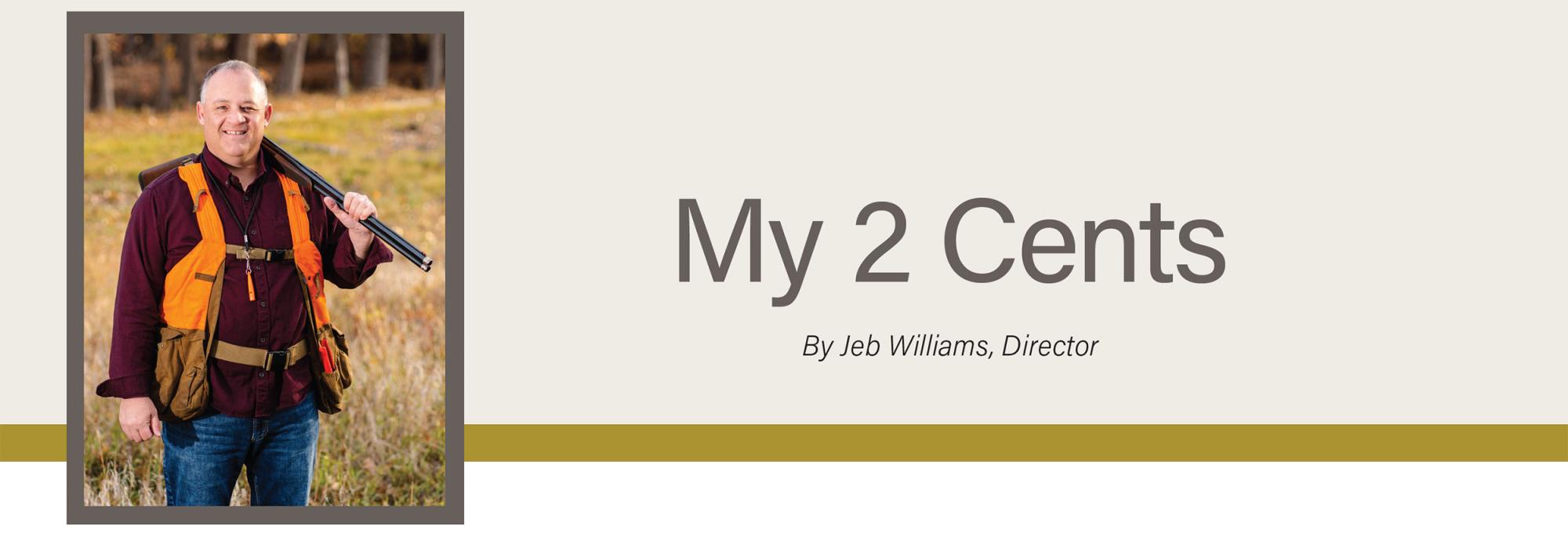
My 2 Cents
A Year Worth Noting
As another year begins, it’s worth pausing — if only briefly — to take stock of where we’ve been and where we’re headed. For those of us who care deeply about North Dakota’s outdoors, this past year offered a reminder that meaningful conservation doesn’t always come with headlines or controversy. Sometimes, progress shows up quietly, through cooperation, patience, and a shared understanding that healthy land benefits everyone. It all started with the Habitat and Access Summit a year ago in December where newly elected Gov. Armstrong spoke passionately to approximately 300 participants wanting to contribute to how we can all keep North Dakota a great place to hunt and fish.
One of the many ideas shared that evening was how all groups can work together to put additional grass on the landscape and one of the most encouraging developments this year was the approval and forward movement of the Governor’s Legacy Soil Health and Habitat Program. In a time when natural resource conversations can feel increasingly divided, this effort stood out for what it represented: common ground.
At its core, soil health may not sound like a wildlife issue, but anyone who spends time afield knows better. Healthy soil supports diverse plant communities, holds moisture longer during dry periods, and reduces runoff during heavy rains. That translates directly into better nesting cover for upland birds, improved forage for deer, and more resilient habitat across the landscape. In short, soil health is habitat health.
What made this initiative particularly noteworthy was the broad coalition involved in the discussions to build it. Farm and ranch groups, energy entities, conservation interests, and state agencies all came to the table with different priorities — but with a shared goal of keeping lands productive while improving long-term outcomes for wildlife and water quality. That balance matters in a state like North Dakota, where agriculture and outdoor recreation aren’t competing interests — they’re intertwined.
From a Game and Fish perspective, this initiative reinforces an approach we’ve long believed in: conservation works best when it complements, rather than conflicts with private land stewardship. Programs that incentivize voluntary practices — grass plantings, cover crops, tree/shrub plantings, and improved grazing management — help landowners succeed while quietly delivering benefits to pheasants, ducks, deer, and countless other species.
This past year wasn’t without challenges. Weather variability, changing land use, and increasing pressure on habitats remain real concerns. But the approval of the Governor’s LegacySoil Health and Habitat Program offered a reason for optimism. It showed that conservation doesn’t have to be an all-or-nothing proposition. Progress can be practical, locally driven, and rooted in trust.
As we look ahead, the true measure of this initiative will be seen over time — in healthier fields, more resilient landscapes, and stronger wildlife populations. For now, it stands as a reminder that when we invest in the land itself, everyone benefits.