
Habitat Loss
Hunting, fishing, wildlife viewing and photography, hiking, camping and other outdoor activities not only raise the quality of life for North Dakotans, participants in these activities bring millions of dollars to rural areas within the state.
Hunting and fishing alone have an economic value to North Dakota of 1.48 billion (source: 2023-24 NDSU Expenditure Survey).
All of these activities are dependent on quality habitats that can sustain fish and wildlife populations.
Habitat loss across North Dakota is impacting both game and nongame negatively.
These impacts trickle down, reducing the number of hunting licenses available and the quality of hunting and fishing experiences, threatening North Dakota's long standing traditions of hunting and fishing.
With 93% of North Dakota's land held in private ownership, access for hunting and fishing has also become a challenge.
Hunting and Fishing
1.48 Billion
The economic value to North Dakota of hunting and fishing
Habitat Changes
Land Cover
The Annual National Land Cover Database (NLCD) provides a seamless land cover for the entire United States for the years 1985 to 2023.
There are 16 standard land cover classifications that allow for comparing land cover changes and trends over time.
Changes in pixels depict a change in land cover type, or habitat type.
While the NLCD is not absolute, it is considered one of the leading tools for analyzing habitat changes on a statewide basis over time.
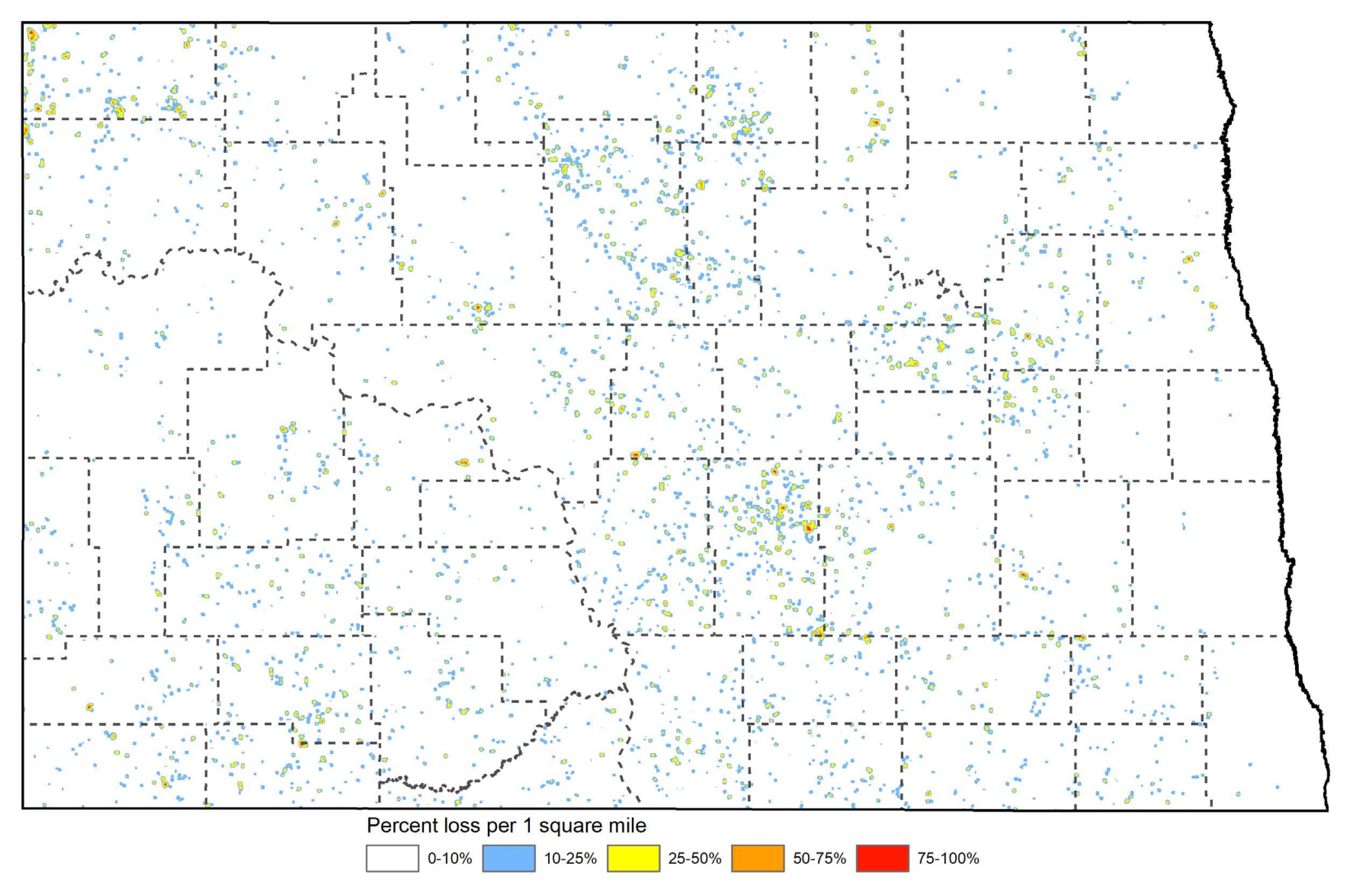
Figure 36 depicts changes from herbaceous cover (grassland, pasture, shrubland and emergent wetlands) to cultivated cropland or developed from 2015 to 2023.
The map illustrates the percent change or loss of habitat per 1 square mile that has occurred since the 2015 SWAP.
Despite the collaboration among various partners to implement conservation strategies aimed at protecting, restoring, and enhancing habitats, these measures have not kept pace with the widespread habitat loss that has occurred in the past 10 years.
Wetlands
Of the nearly 5 million natural wetland acres, 60% have been lost or converted. Furthermore, the conversion of grasslands and changes in wetland hydrology, influenced by wetland drainage and consolidation, along with climate and alterations in land use, have had profound and lasting effects on the prairie and wetland ecosystems.
Conservation Reserve Program
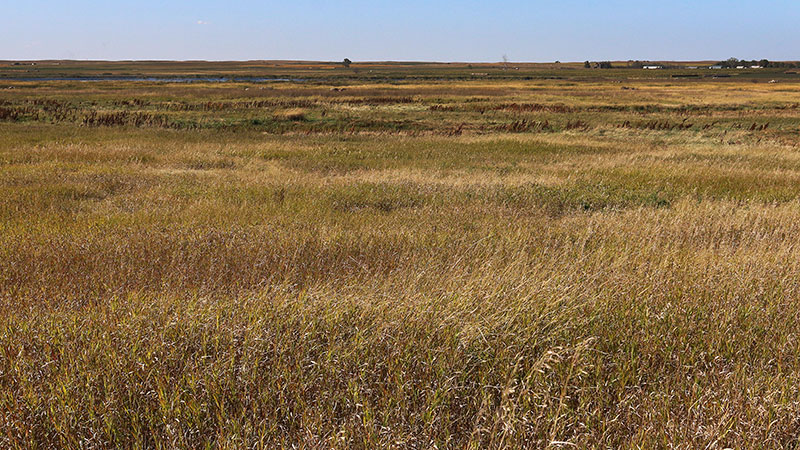
The USDA Conservation Reserve Program (CRP) has a significant positive impact on soil, water, and habitat conservation, making it one of the most remarkable conservation and wildlife success stories in North Dakota.
Landowners can participate in various CRP practices, from planting native or introduced grasses to creating filter strips or specialized habitats like pollinator areas.
The program’s positive effects on wildlife, including increased waterfowl populations and improved grassland bird nesting, are well documented.
CRP grasslands can be found in every county, ranging from near-pristine native grasslands to areas dominated by non-native species like Kentucky Bluegrass and Smooth Brome.
Despite some CRP lands declining in quality over time, they still provide critical breeding and wintering habitats for numerous wildlife species.
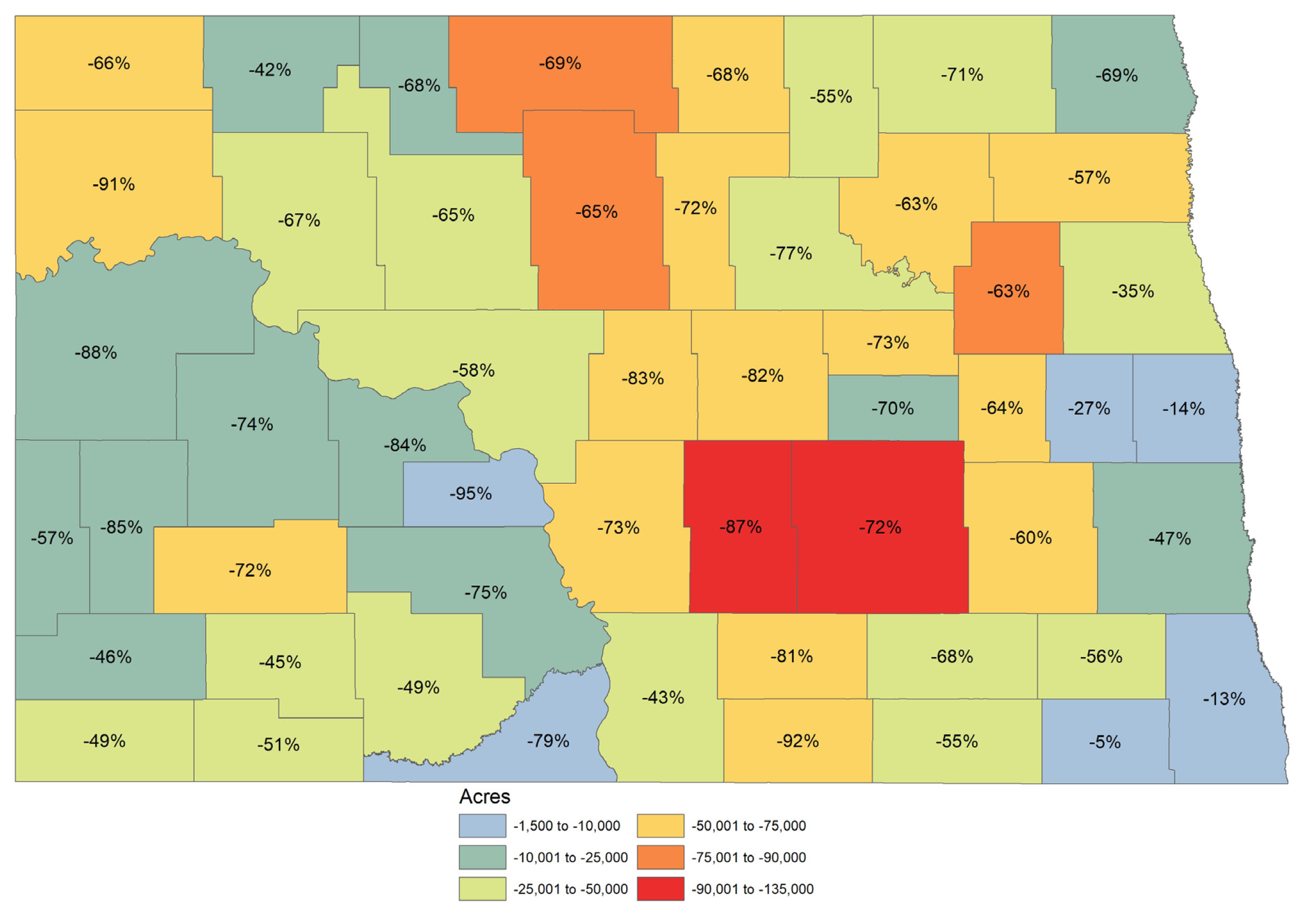
At its peak in 2007, CRP enrollment reached 3.38 million acres, but it has since declined by 63% to 1.24 million acres as of 2022 due to factors such as shifts in agricultural practices, lower rental rates, and reduced acreage caps (Figure 38).
This decline has had a detrimental effect on many species of greatest conservation need and species of greatest inventory need.
A stronger focus on working lands, an increase in rental rates, and a higher acreage cap may be needed to reverse this trend.
Some Numbers
Native Prairie

72%
The amount of North Dakota's native prairie that has been converted
Wetlands

60%
The amount of the nearly 5 million natural wetland acres in North Dakota that have been converted or lost
Grassland Birds

35%
The decline in grassland bird populations over the last 50 years
Impacts of CRP Loss
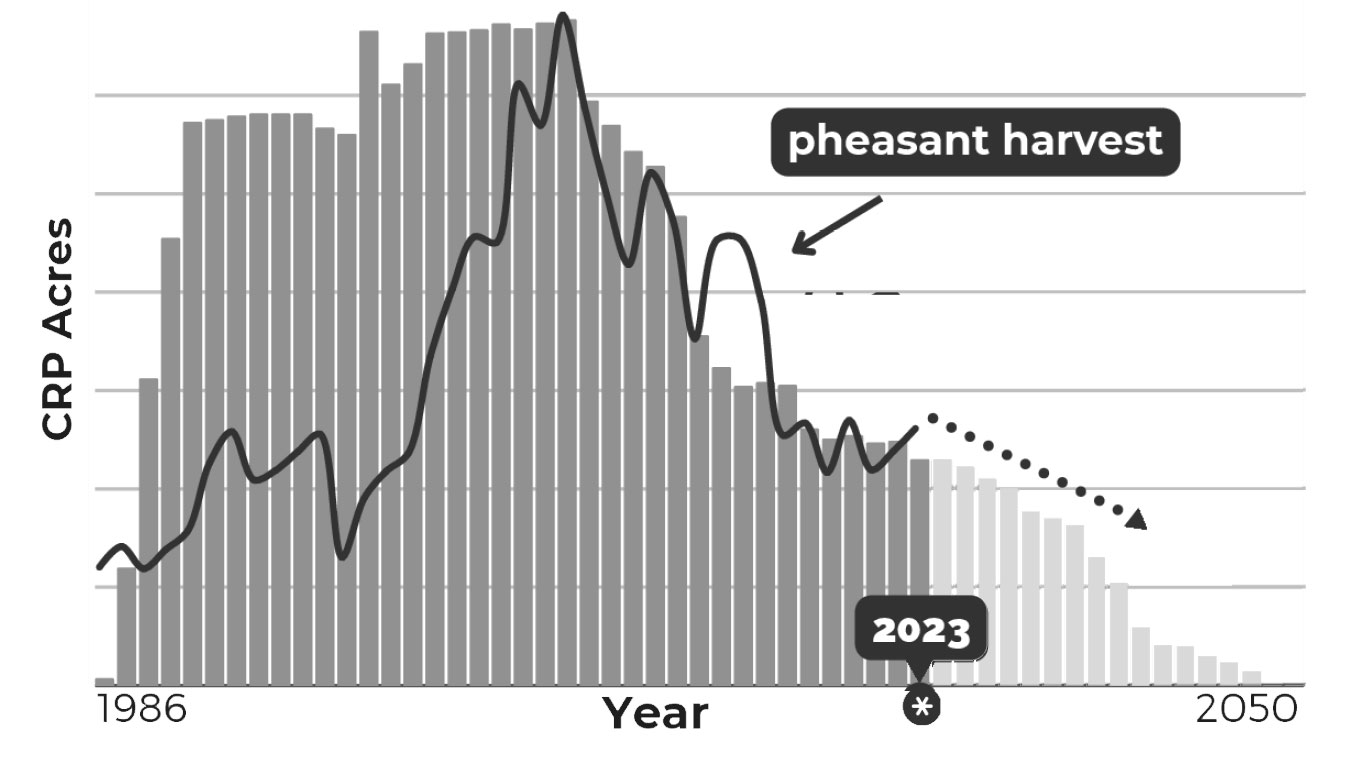
Pheasant harvests have declined as CRP has disappeared from the landscape.
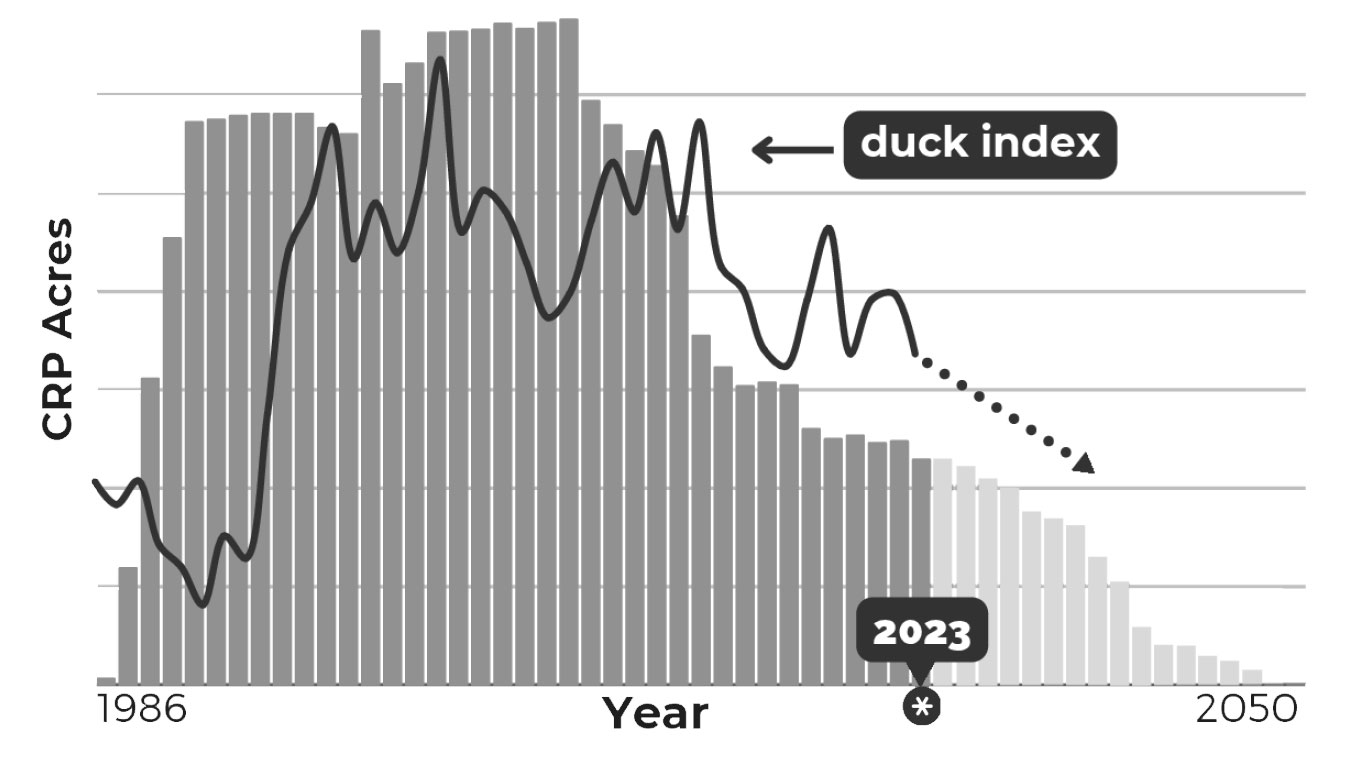
Duck numbers have declined as CRP has disappeared from the landscape.
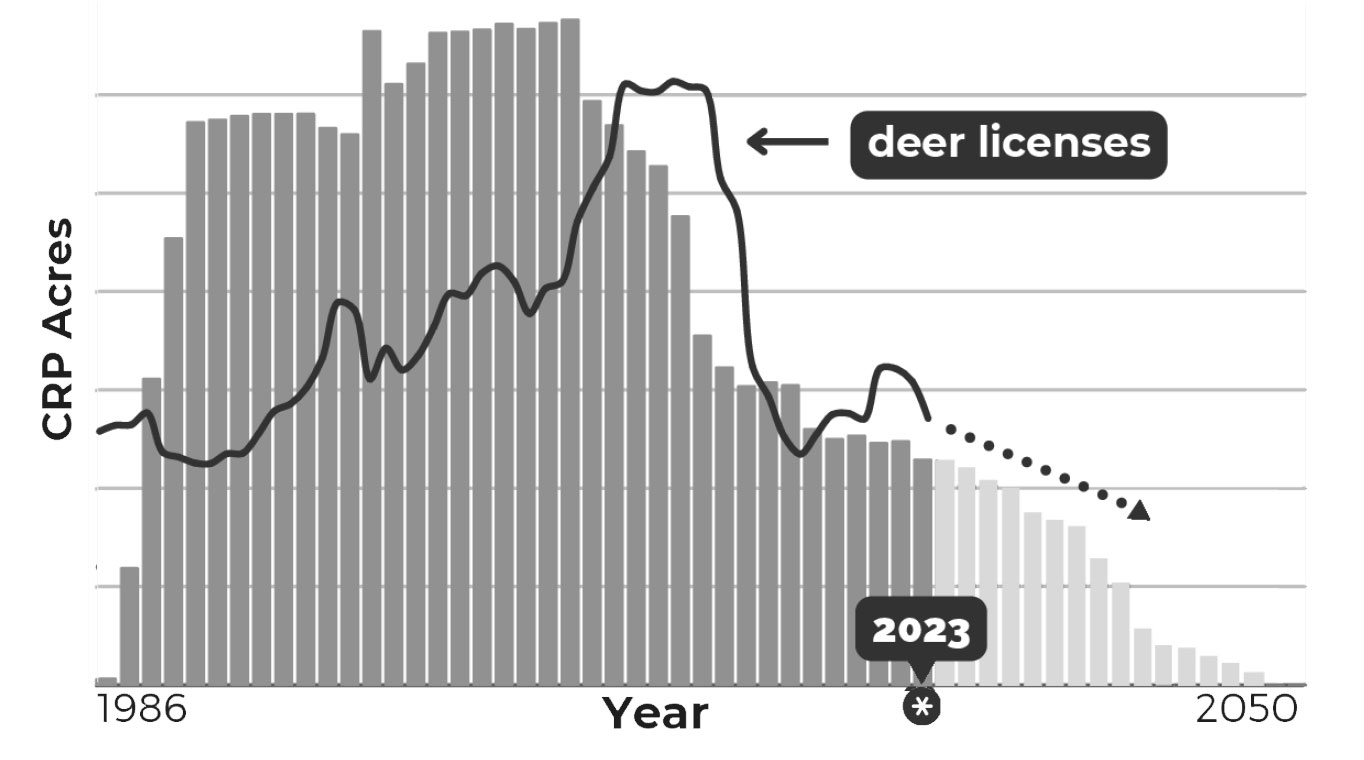
Deer licenses have declined as CRP has disappeared from the landscape.
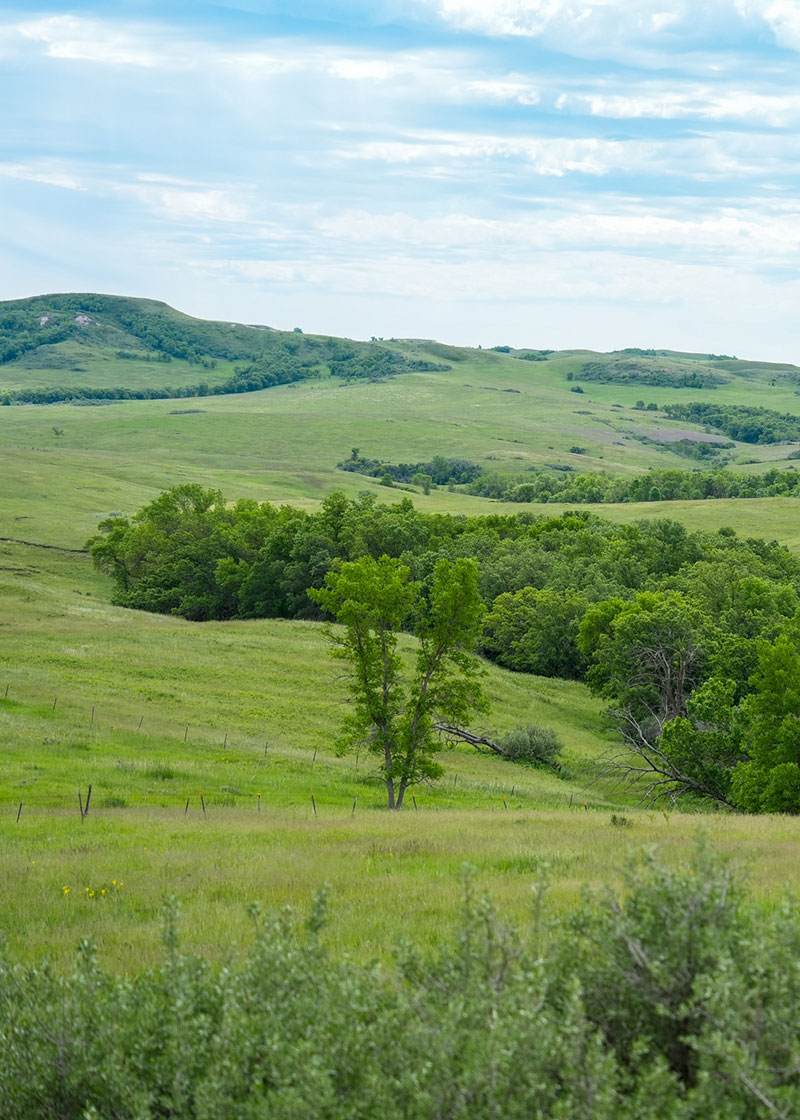
Everyone Can Make a Difference
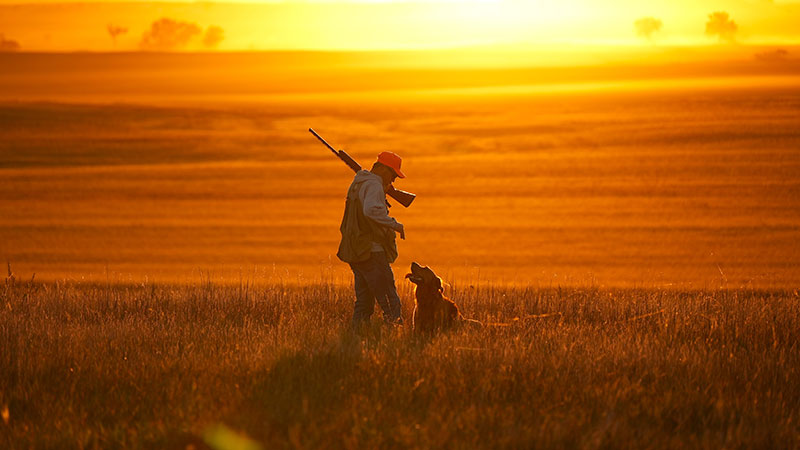
Hunters
Learn about some steps you can take to help preserve North Dakota's hunting and fishing heritage for yourself and future generations.
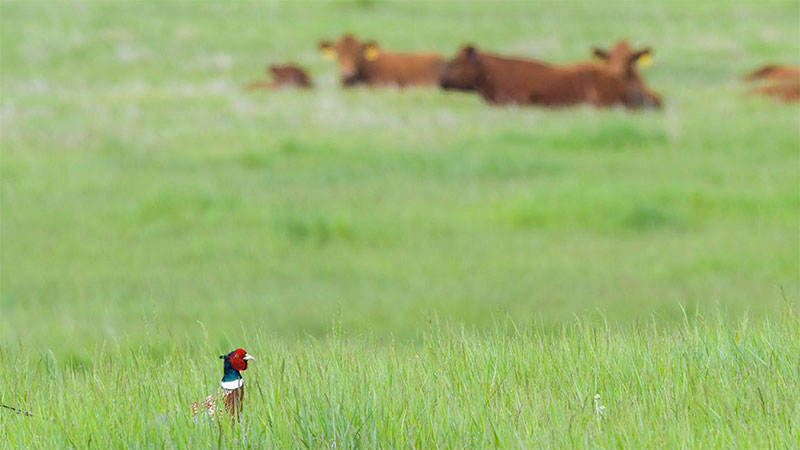
Landowners
Learn about some of the programs and resources available to help you develop and maintain wildlife habitat on your land.

General Public
You don't have to be a hunter, angler or landowner to help protect North Dakota's natural resources. Learn more about steps anyone can take to help.